Cork-Pulling Season: Provence Wines for a Very British Christmas
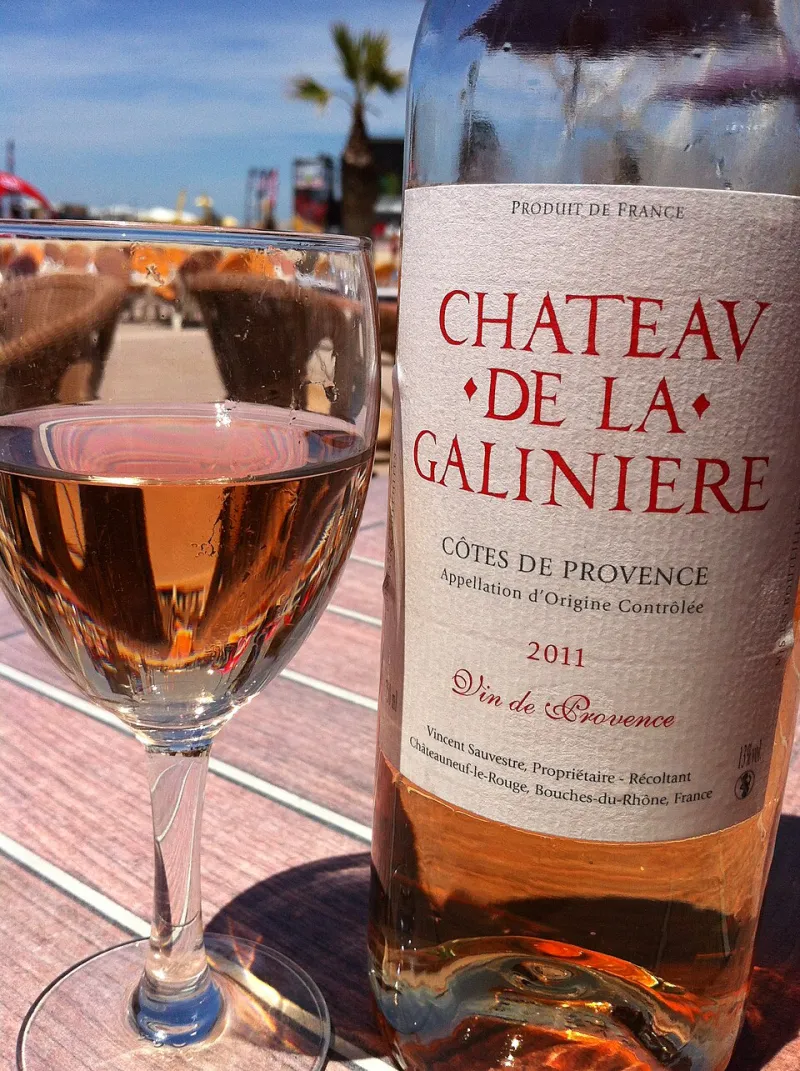
Photo: Agne27, CC BY-SA 3.0, via Wikimedia Commons
Provence has a summer reputation, and fair enough: few things beat a chilled rosé on a hot afternoon. But as November 2026 settles into grey skies and early dark, it is worth remembering that Provence makes serious, food-friendly wine for the colder half of the year too. The region's rosés have freshness and perfume; its reds have herbs, savoury depth and enough structure for gravy. In other words, they are better suited to a British Christmas than their suntanned image suggests.
Temperature first, then tinsel
Before anyone starts arguing about turkey, get the serving temperatures right. Provence rosé should be cold but not numbing—around 8–10°C is about right. Take it out of the fridge ten minutes before pouring, especially if it is a fuller style with some texture. Reds from Provence and Bandol are often served too warm in British homes, where the radiator is doing its best. Aim for 14–16°C: cellar cool, not cosy. A light chill on a red also helps at a party, where bottles sit on tables for hours and the room is full of people and heat.
The turkey test
Turkey is lean, mild and usually surrounded by salty, sweet and savoury things: sausagemeat stuffing, bacon, gravy, bread sauce, cranberry. It does not need a blockbuster wine. A textured Provence rosé—think wild strawberry, citrus peel and a saline finish—cuts through gravy and rich sides without overwhelming the bird. If you want red, choose a Côtes de Provence red built on Grenache, Syrah and Cinsault rather than something heavily oaked. For the darker leg meat, a Bandol with Mourvèdre is a fine match, but keep the tannins in check. There is no law that says one bottle must do everything; a rosé and a red side by side is a very sensible Christmas arrangement.
Boxing Day ham and the buffet table
Boxing Day is where Provence really earns its place. Cold ham, salty and slightly sweet, loves a rosé with redcurrant fruit and a chalky finish. The same wine handles sausage rolls, charcuterie, cheese straws and leftover sandwiches. If you are putting out a red, choose one with freshness rather than weight—Provence reds often have a herbal, garrigue scent that works beautifully with cold meats. Keep bottles off the radiator and out of direct sunlight, and do not be shy about topping up ice buckets for the rosé.
Canapés, cheese and the useful glass
Party canapés are a mixed bag: smoked salmon, prawn cocktail, pigs in blankets, mushroom vol-au-vents, tiny tartlets. A good Provence rosé is the diplomatic option, but a medium-bodied red can work with the meatier bits. For cheese, think goat's cheese, mature cheddar, Comté or a creamy soft cheese. Rosé is lovely with goat's cheese; Bandol red is excellent with aged hard cheese. Avoid serving either so cold that the wine goes mute.
Six bottles for the festive sideboard
These are not prescriptions, more useful starting points. Availability shifts in the UK, so treat the stockist notes as signposts rather than guarantees.
- Château Minuty Prestige Rosé — pale, pretty and precise, with peach, pink grapefruit and a sea-shell finish. Look for it in larger wine shops and independent merchants; it is a reliable festive all-rounder.
- Domaine Houchart Côtes de Provence Rosé — redcurrant, wild herbs and a crunchy freshness. Often found through independent wine merchants and online specialists; buy a mixed case if you can.
- Château de Berne Inspiration Rosé — softer and more generous, with melon, white flowers and a rounded mid-palate. Worth checking larger wine retailers and mixed-case offers.
- Château de Beaupré Côtes de Provence Rouge — a Provençal red with dark berry fruit, dried herbs and a savoury edge. Independent merchants are the best bet; ask for a red that is fresh rather than heavily oaked.
- Domaine du Gros'Noré Bandol Rouge — dark cherry, black olive, garrigue and firm but ripe tannin. Seek it out at specialist independent merchants and fine-wine shops; decant for an hour if serving with the main event.
- Château de Pibarnon Bandol Rouge — perfumed, elegant and long, with incense, black olive and fine-grained tannin. The Wine Society, Tanners and other serious merchants are good places to start.
A practical UK shopping note
If you are buying for a crowd, a mixed case is your friend. Ask an independent merchant for a festive selection that includes one fuller rosé, one crisp rosé, one light Provençal red and one Bandol. That gives you flexibility across turkey, ham, canapés and cheese without turning the dining room into a wine fair. And if you are buying Bandol for Christmas, buy it now rather than on Christmas Eve—good bottles often disappear first, and a week or two standing upright in a cool cupboard will do them no harm.
Provence at Christmas is not a gimmick. It is a practical, generous way to drink with the British festive menu: fresh enough for the aperitif, savoury enough for the roast, and elegant enough for the cheese. All it needs is a sensible chill and a little room on the table.