Chalkboard Confidence: Ordering Provençal Wine in a British Restaurant Without Feeling Like a Fraud
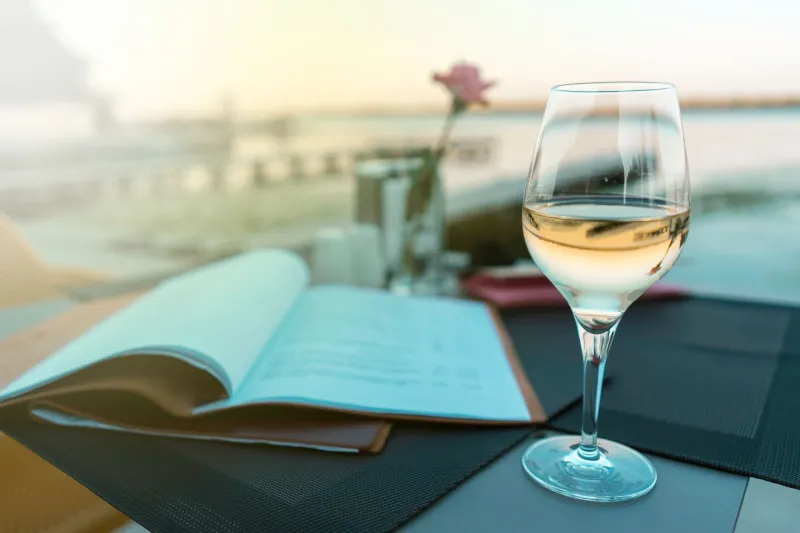
There's a particular moment in a British restaurant, somewhere between sitting down and ordering, when the wine list arrives and everyone at the table suddenly becomes very interested in the bread. Someone has to say something. Usually it's a cheerful, slightly panicked "shall we just get a bottle of rosé?" — and that's fine. But you can do better than fine without turning into a person who uses the word "terroir" at Sunday lunch.
Ordering Provençal wine in the UK has got easier in the last few years. It's also got more confusing, because there's more of it about, and the labels are not always forthcoming. So here's a working method: how to read the list, what to ask, and when to stop worrying and just drink the thing.
First, Learn to Scan
Provençal wines rarely appear in a section helpfully headed "Provence". More often they're scattered through a French list, or tucked under "Rosé" with a couple of ringers from elsewhere. So look for the words before you look for the prices.
The big one is Côtes de Provence — the sprawling appellation that produces the lion's share of the rosé you've ever drunk. Then there are the smaller, more specific names: Coteaux d'Aix-en-Provence, Coteaux Varois en Provence, Bandol, Cassis, Palette, Bellet. If a list mentions Sainte-Victoire, Fréjus, La Londe or Pierrefeu, those are the crus of Côtes de Provence — a step up in ambition, usually a step up in price, often worth it.
One warning: on a cramped list, "CdP" almost always means Châteauneuf-du-Pape, not Côtes de Provence. If you see the abbreviation and you're not sure, ask. Nobody has ever been thrown out of a restaurant for asking.
Pale Doesn't Mean Feeble
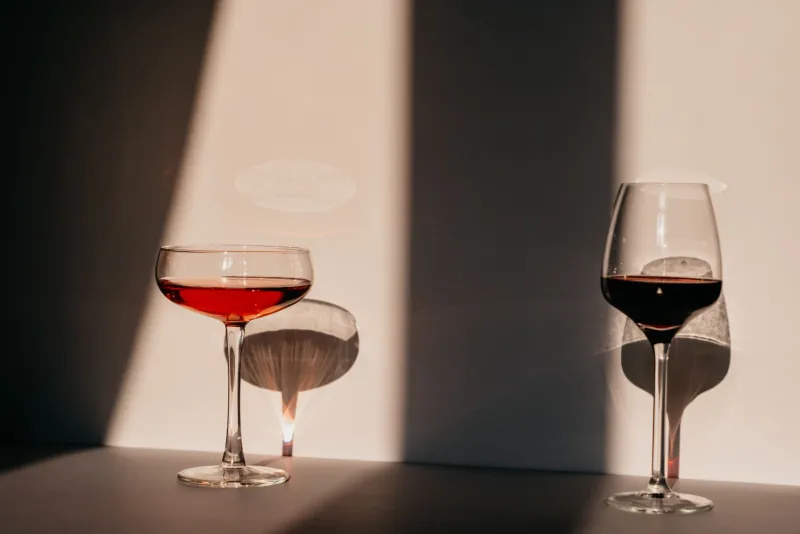
We've all been trained to think that the paler the rosé, the better. It's a useful shorthand and a slightly misleading one. Onion-skin pale can be delicate and lovely; it can also be thin and over-chilled to hide it. Equally, a rosé with a bit more colour — especially from Bandol or a later-picked Coteaux Varois — can carry more flavour, more grip, and a better chance against something roasted.
Two practical checks when the list gives you nothing but a name and a price. Ask what the vintage is. In November 2026, a rosé on the list from 2024 is probably fine; a rosé from 2022 that's still being poured by the glass is a signal to ask a gentle question about how long it's been open. And ask whether it's the entry Côtes de Provence or one of the named crus — that single question tells you an enormous amount about what's in the bottle.
The Whites and Reds People Forget to Order
Here's the quiet advantage of knowing a bit about Provence: almost everyone else at the table is going to order the rosé. Which leaves the whites and the lighter reds sitting there, unloved, often priced kindly.
Look for Rolle (the local name for Vermentino), Clairette, and blends that include Ugni Blanc. They're usually unoaked, saline, and frankly excellent with shellfish. On the red side, Bandol is the headline — Mourvèdre, structured, built for winter — while Coteaux d'Aix and the reds of Palette tend to be softer, herbier, and more immediately drinkable. If the list has a Cassis white, order it. You won't see it again soon.
The Temperature Conversation (the Bit That Really Matters)
This is where British restaurants and Provençal wine most often fall out. Restaurant fridges run cold — properly cold, the kind of cold that flattens a delicate rosé into a vaguely pinkish mineral water. Reds go the other way; a Bandol served at 22°C in a warm dining room loses its shape entirely.
You are allowed to say something. You don't need to be difficult about it; you just need a phrase.
- "Would you mind bringing the rosé out early and letting it sit on the table for ten minutes before you pour?"
- "Could we have a bucket with just a little ice and some water, rather than all ice?"
- "The red's fine at room temperature — no need to chill it."
- In high summer, the reverse: "Could the Bandol go in the bucket for five minutes? The room's a bit warm."
Staff generally welcome this. It signals you actually care what it tastes like, which is a nicer table to serve than one that doesn't.
When to Say Yes to the House Pour
The house Provençal rosé is one of the great quiet bargains of British dining — sometimes. Cooperative wines and négociant blends can be genuinely good, especially from the larger Côtes de Provence houses, and if it's £26 a bottle or £7.50 a glass, it's often the sensible call for a midweek supper.
The test is simple. If the house pour is unnamed and creeping towards £10 a glass, ask what it is. If the answer is a producer and a place, order with confidence. If the answer is a vague wave towards the fridge, order a glass of something else and consider the beer list.
Matching to the Menu You've Actually Got
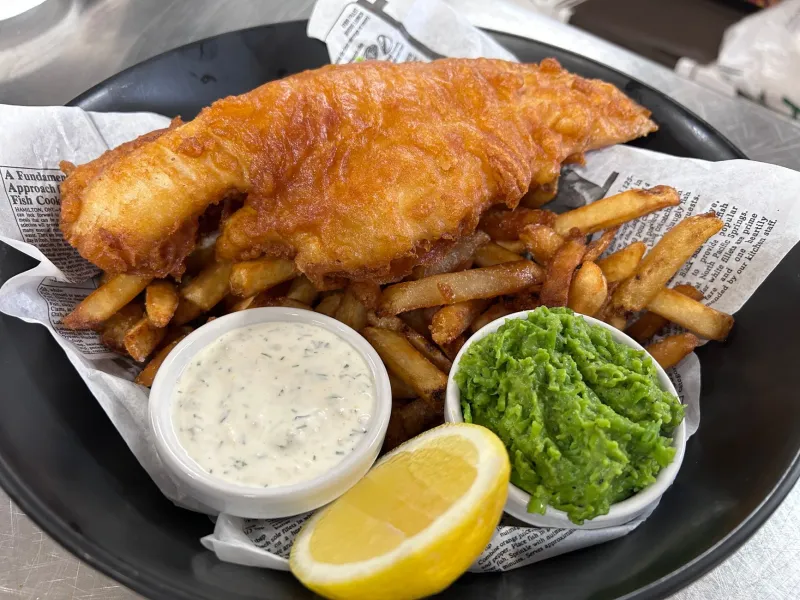
In the pub. Fish and chips, a decent pie, halloumi fries, a Sunday chicken — you want the rosé or the Rolle. Something with acidity, nothing oaky, nothing too serious. A Côtes de Provence rosé at 12.5% is the most forgiving bottle on the list.
On a bistro card. Steak frites, duck confit, anything with garlic and herbs — go red. A young Coteaux d'Aix or a Bandol if the card is feeling generous. If there's a Provençal red by the glass, this is the moment.
At a tasting menu. Don't fight it. Take the pairing, or ask for a Provence-led one, and mention anything you actively dislike up front. A white from Cassis or Bellet with scallops, a Bandol with lamb, a rosé with the cheese course: the kitchen usually knows what it's doing, and Provençal wines are unusually good at not getting in the way.
One Last Thing
You don't have to know everything to order well. You have to know what you like, ask two clear questions, and not let anyone pour you a red at blood temperature or a rosé straight from the arctic. That's the whole trick. The rest is just practice, and practice is best done with a glass in hand.