The Chip Shop Syllabus: Provençal Bottles for Salt, Vinegar and Batter
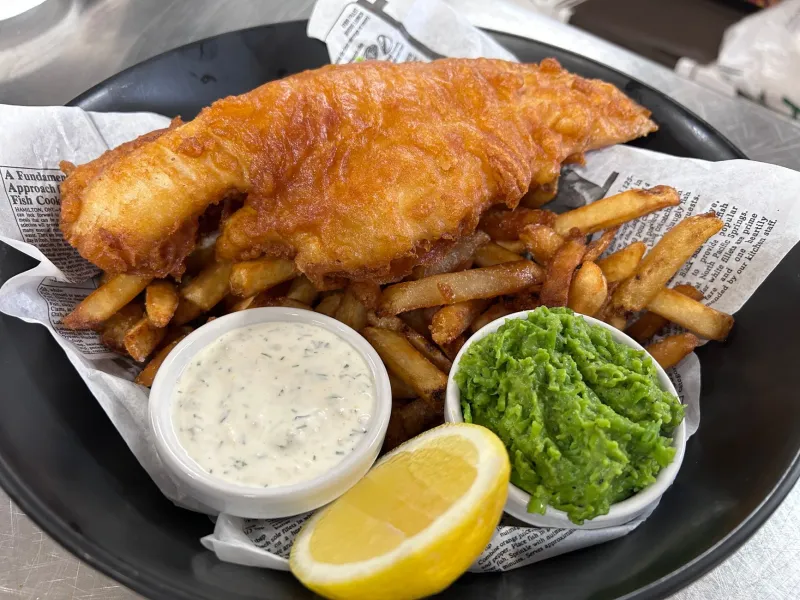
There are wine pairings that look elegant on a restaurant menu, and then there is the Friday-night chip shop tea. One involves starched napkins and a sommelier’s murmur. The other involves paper, a queue, a wooden fork and the distinct possibility of curry sauce on your sleeve. Provence wine is more at home with the second than you might think.
The chippy tea is a proper test. Batter brings fat, chips bring starch, vinegar brings sharpness, mushy peas bring a soft green sweetness and curry sauce arrives like a small, spicy curveball. A wine has to refresh without tasting thin, and it has to stay calm when the salt and vinegar start arguing. So here is the practical case for rosé, Rolle-led whites and light Provençal reds — and a short list of what to avoid.
The rules of the chippy tea
First, forget the idea that wine needs a white tablecloth. The chip shop is not a tasting room. It is a survival test. The best bottle here is not the most complex one; it is the one that makes you reach for another chip and another sip without thinking.
Salt makes wine taste softer and fruitier, which is generally helpful. Vinegar is the trickier customer: it can make a lean wine feel sharp and a flabby wine feel even flabbier. Batter needs acidity to cut through it. Curry sauce needs fruit to stop the spice from running away with the conversation. The answer is a wine with real freshness, moderate alcohol and no heavy oak. Chill it properly, but do not punish it in an ice bucket. A rosé at 8–10°C is about right; a light red can take 13–14°C.
The rosé: the best all-rounder
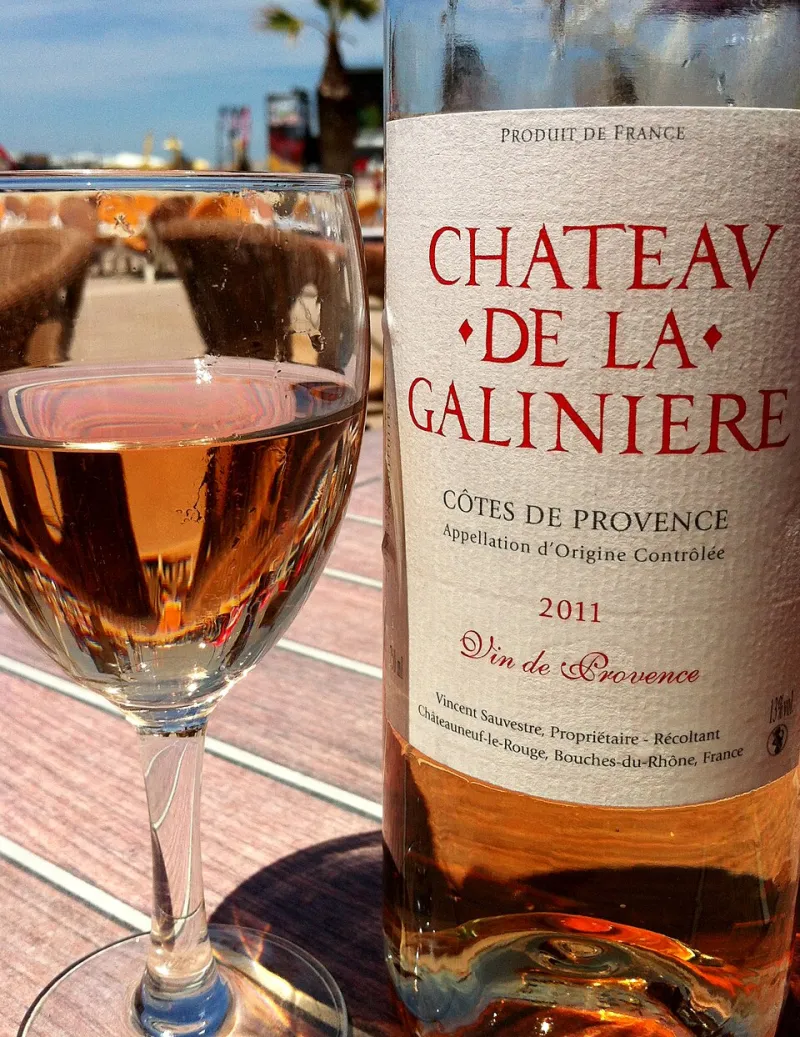
If you buy one bottle for a chip shop tea, make it a dry Côtes de Provence rosé. Pale, brisk and full of redcurrant, citrus and a little wild herb, it has enough acidity for battered cod and enough fruit for mushy peas. It also handles the salt-and-vinegar thing better than most whites because it has a bit more mid-palate generosity without being heavy.
Look for a Cinsault-Grenache blend at around 12.5–13% alcohol. Avoid the very pale, very delicate rosés that taste like a whisper; they can vanish beside batter. A rosé with a little more colour and grip — think Bandol rosé in a good year, or a structured Côtes de Provence — is excellent if you are having scampi or a mixed order. Curry sauce is the acid test: a fruity rosé sails through, while a bone-dry, thin one can leave the spice tasting raw.
Rolle and the white option
Rolle, also known as Vermentino, is Provence’s quiet white hero. It gives lemon, sea air, white flowers and a saline edge that is almost custom-built for fish. A Rolle-led white from Cassis or a good IGP Méditerranée is a lovely match for cod and chips, especially if you are generous with the vinegar. It stays fresh without becoming austere.
Cassis blanc is the smarter, more grown-up option: often a blend with Clairette and Ugni Blanc, it has a bit more texture and a savoury, shell-like quality. It is excellent with battered fish, but it will not fight for attention against curry sauce. If curry sauce is non-negotiable, choose a fuller Rolle or go back to rosé. And please avoid oaked whites here. A buttery, vanilla-scented Chardonnay and a bag of chips is a mismatch that neither party deserves.
Light reds: not as mad as it sounds
A chilled light red is not the obvious chip shop move, but it works if your order includes a battered sausage or you are feeding a mixed table. Look for Cinsault or Grenache-led reds from Provence with low tannin and bright red fruit. Serve them cool — not cold — and they will handle chips, curry sauce and the general salty chaos better than a big, tannic red.
What you do not want is a young Bandol rouge with its shoulders up. Mourvèdre is wonderful, but a structured Bandol red needs lamb or a long braise, not a paper-wrapped cod. Save it for Sunday. The chip shop red should be juicy, uncomplicated and happy to be knocked back on the sofa.
Vinegar, mushy peas and the curry sauce question
Vinegar is where good intentions go wrong. It amplifies tannin and can make oak taste even more oak-like. That is why light reds must be low in tannin and whites must be unoaked. It is also why very high-alcohol rosés are a bad idea: they can feel hot and clumsy next to vinegar’s bright snap.
Mushy peas are easier. Their soft sweetness loves rosé and Rolle, and a little green herbiness in the wine picks up the pea flavour. Home-oven chips are a different beast from chip shop chips — less fat, more potato — and they suit whites particularly well. Curry sauce is the wildcard. It needs fruit and a bit of body, so choose a rosé with some colour or a light red rather than a delicate white.
The avoid list
Leave the oaked whites in the rack. Avoid big, tannic reds and anything over 14% alcohol. Skip sweet wines, which make vinegar taste even sharper. And do not over-chill a delicate rosé until it tastes of nothing but cold. The chip shop tea is already full of strong flavours; the wine’s job is to bring freshness and a bit of fruit, not to compete.
The Friday-night shortlist
For a classic cod and chips with salt and vinegar: a dry Côtes de Provence rosé, Cinsault-led, served properly chilled. For scampi or a lighter order: a Rolle-led white or Cassis blanc. For a mixed order with curry sauce or a battered sausage: a light, chilled Provençal red. And if you are only picking up a half-bottle for one, make it rosé — it is the most forgiving thing in the shop.
Put the bottle in the fridge before you leave for the chippy. By the time you are unwrapping the paper, it will be ready. That is not a complicated pairing rule; it is just good Friday-night planning.