The Friday Curry Test: Provençal Bottles That Hold Their Own
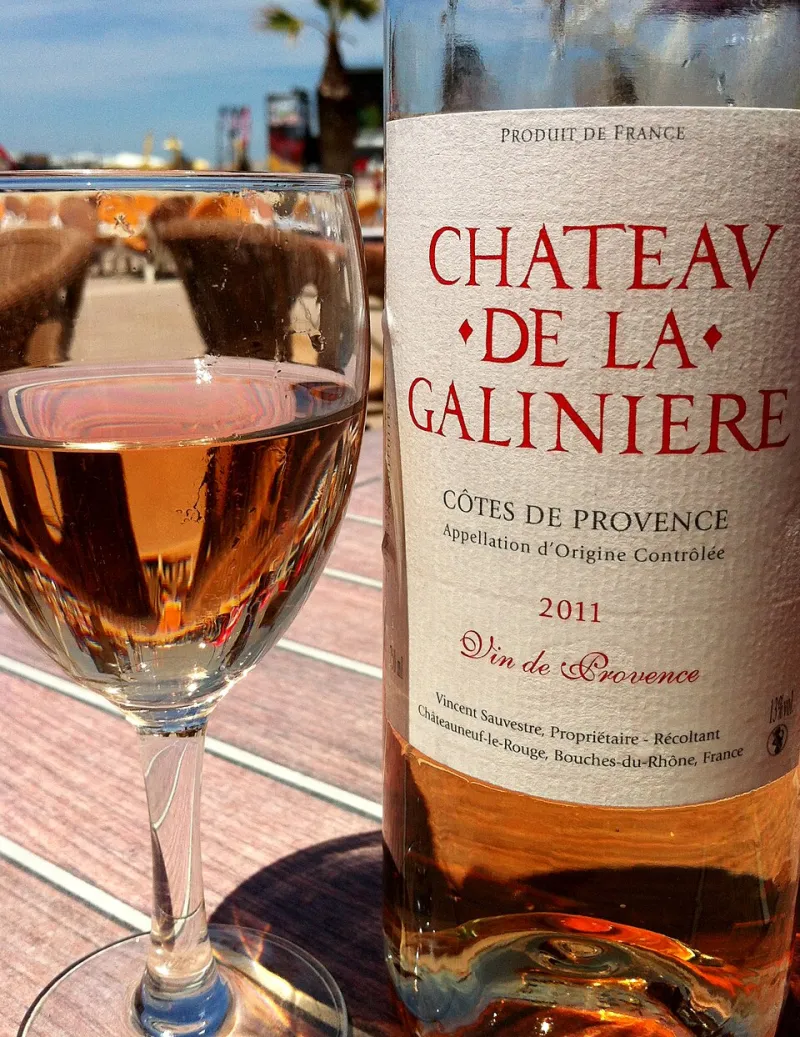
Photo: Agne27, CC BY-SA 3.0, via Wikimedia Commons
Friday night, the foil trays land on the kitchen counter, the naan goes in the oven, and someone reaches for the coldest bottle in the fridge. Usually it’s a rosé. Fair enough — Provence makes some of the most food-friendly pink wine on the planet. But “rosé with curry” is a blunt instrument. A delicate, pale Côtes de Provence and a brooding Bandol rosé are not the same guest at the table, and a chilled light red can be a revelation with the right dish.
This is a practical route through the British Friday-night curry, from korma to vindaloo, with Provençal bottles that keep their freshness instead of collapsing under spice.
Start with heat, not colour
Chilli heat is not a flavour; it’s a sensation. It makes alcohol feel hotter, tannin feel rougher and anything thin taste even thinner. What helps is fat, sweetness, acidity and a little texture. So before you pick a bottle, ask what the dish is doing: is it creamy, tomato-rich, vinegar-sharp, aromatic with rice, or just plain fiery?
The usual mistake is to serve everything ice-cold and bone-dry. That works with a simple tomato-based curry, but it can make a korma taste flat and a biryani feel disjointed. Provençal wine has enough natural freshness to handle spice; the trick is choosing the right weight and serving it at the right temperature.
Korma and pasanda: breadth over brawn
Korma is mild, creamy, often sweet with coconut, almond or cashew. It needs a wine with a bit of breadth — not a heavyweight, but something that can meet the sauce halfway. A Grenache-led Côtes de Provence rosé is a safe bet, especially one with a little more colour and texture than the palest styles. A Bandol rosé, made mostly from Mourvèdre, has the extra weight and gentle spice to sit alongside a creamy curry without being overwhelmed.
If you prefer white, look for a Rolle with some flesh on it. Rolle — also called Vermentino — keeps its acidity but can carry a rounded, almost waxy texture that works nicely with coconut and almond. Serve either at about 9–11°C. Not straight from the fridge, where everything tastes muted.
Jalfrezi and madras: bring the acidity
Jalfrezi is where things get lively: tomato, green chillies, peppers, a vinegar edge. Madras is hotter and sharper still. These dishes need a wine with real acidity and no oak. A crisp, bone-dry Côtes de Provence rosé built on Cinsault is ideal. Think pink grapefruit, redcurrant and a clean, mouth-watering finish.
A Clairette or Rolle white also does well here, particularly if you want something with a little more savoury interest than rosé. Keep the serving temperature cool — 8–10°C — but again, don’t freeze the life out of it. If you fancy a red with jalfrezi, choose a light, low-tannin Provençal red and chill it for twenty minutes. Anything tannic will clash with the green chilli.
Biryani: the case for a chilled light red
Biryani is aromatic rather than scorching: saffron, fried onions, cardamom, raita on the side. This is the moment a light Provençal red earns its place. Look for a Côtes de Provence or Coteaux Varois red based on Grenache and Syrah, with soft tannins and bright red fruit. Serve it at 13–14°C — cool, but not cold enough to strip away the perfume.
Avoid young, tannic Bandol reds here. They need years in bottle and will fight the rice and spice. A mature Bandol is a different story, but for a Friday-night takeaway, the lighter appellations are more useful. The raita and the rice both soften tannin, so a red that feels a little firm on its own can settle down beautifully with the plate.
Vindaloo and phaal: soothe, don’t fight
When the heat is genuinely high, lower alcohol is your friend. A 14.5% rosé will amplify the burn; a fresher 12.5% bottle will calm it. Look for a delicate, crisp rosé or a rounded white with modest alcohol and a gentle texture. Serve it properly chilled. You are not trying to match the chilli note for note — you are trying to cool the palate between mouthfuls.
Avoid heavily oaked whites and big, tannic reds. They make hot food taste hotter and rougher. A spoon of raita and a sip of cool Provençal rosé will do more for the meal than any grand bottle.
The three-bottle toolkit
If you want a simple curry-night selection, buy three bottles: a crisp Cinsault-led rosé, a textured Rolle white and a light Grenache–Syrah red. Chill the rosé to 8–10°C, the white to 9–11°C and the red to 13–14°C. Start with the white or rosé and move to the red as the plates empty. Use decent glasses — a small tulip works well for rosé, and the same glass will flatter a light red.
Label clues to look for
On the bottle, look for Côtes de Provence, Coteaux d’Aix-en-Provence, Coteaux Varois en Provence, Bandol for rosé, and Cassis for white. For reds, favour words like “light”, “fresh” and “Grenache–Syrah” over anything that promises power. Avoid high-alcohol, heavily oaked wines with curry; they rarely improve the meal.
The point is not to turn Friday night into a tasting. It is to find a bottle that keeps its Provençal freshness while the spice does its work. Sometimes that is a pale rosé. Sometimes it is a cool light red. The best pairing is the one that makes you reach for a second glass before the naan goes cold.