The Other Provence: Four Appellations That Rarely Reach British Shelves
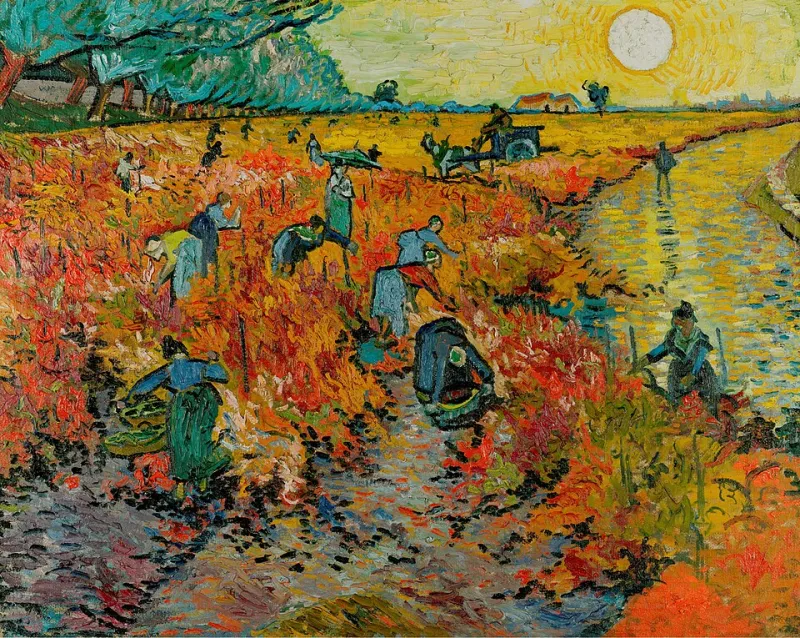
Photo: Vincent van Gogh, Public domain, via Wikimedia Commons
Provence has a branding problem, and the problem is pink. Walk into almost any UK wine shop and the Provençal shelf tells a single story: pale, pretty rosé in a curvy bottle, priced for a sunny afternoon. It is a good story. It is also only about a third of what the region actually does.
Beyond the famous pink lies a patchwork of small appellations making serious white and red wines — often in tiny quantities, often from vineyards that have been farmed for centuries, and almost never with a supermarket buyer attached. These are the bottles that reward a bit of hunting. They are not cheap by default, but they are distinctive, and they give British drinkers a way into Provence that has nothing to do with a picnic blanket.
Why the famous pink casts such a long shadow
The economics are simple. Rosé sells, and Côtes de Provence sells it in volume. A merchant can shift pallets of a reliable pale rosé between April and August without explaining a thing. The obscure appellations — Palette, Cassis, Les Baux-de-Provence, Pierrevert — come in small parcels, from small estates, with names most British shoppers have never heard. They need a hand-sell.
That is not a reason to ignore them. It is a reason to know what you are asking for. The following four are a good place to start, because each offers something you cannot get from a standard bottle of Provençal rosé: texture, ageability, a sense of place, and a flavour profile that actually changes with the seasons.
Palette: the tiny appellation next door to Aix
Palette is one of the smallest appellations in France, a few hectares east of Aix-en-Provence, and it has been making wine since long before anyone thought to put a pale rosé in a frosted bottle. The reds are the headline: wild herbs, dark cherry, leather and a firm, savoury grip. The whites can be extraordinary — waxy, honeyed, nutty, with a saline edge — and they age in a way that would surprise anyone who thinks Provençal white is a summer-only pleasure.
Château Simone is the name to know. It is the appellation's most famous estate, and its wines turn up occasionally at independent merchants and on the lists of wine bars that like a story. Château Henri Bonnaud is another small producer worth asking about. These are not bottles you will find in a supermarket chiller. They are bottles you ask a merchant to order, or you bookmark for a special dinner.
In the glass, Palette red is closer to a cool-climate Rhône than a beach rosé: firm tannin, dark fruit, garrigue and a long finish. The white is rich but fresh, and it works with roast chicken, guinea fowl, or a plate of hard cheese. If you see one on a list, order it. You may not see it again for a year.
Cassis: white wine with a sea view
Cassis is a fishing port, a holiday town and a tiny appellation all at once. It is also one of the few places in Provence where white wine is the main event. The vineyards sit on limestone terraces above the Mediterranean, and the wines taste like it: citrus, fennel, white flowers, a clear saline streak and a texture that is richer than you expect from a wine with so much freshness.
The grapes are largely Clairette, Marsanne and Ugni Blanc, and the best examples have a savoury, almost briny quality that makes them brilliant with shellfish. Producers to look for include Clos Sainte Magdeleine, Domaine du Bagnol and Clos Val Bruyère. Cassis also makes a little red and rosé, but the white is the reason to seek it out.
UK availability is patchy but not impossible. The Wine Society has listed Cassis in the past, and independent merchants in Bristol, Leeds and Edinburgh occasionally carry a bottle or two. Wine bars with a Mediterranean bent are another good bet. Ask for Cassis by name and you will separate yourself from the crowd.
Les Baux-de-Provence: reds from the Alpilles
Les Baux-de-Provence sits in the Alpilles, a small mountain range south of Avignon, and its wines are shaped by stone, wind and wild herbs. The appellation is unusual because its rules require organic farming, which gives the wines a reputation for purity and a certain seriousness. The reds are the main attraction: dark fruit, rosemary, thyme, liquorice and a tannic structure that can handle a winter kitchen.
Producers worth seeking include Château Romanin, Mas de la Dame, Domaine de la Vallongue and Domaine d'Eole. Styles vary from generous and fragrant to firmer and more structured, but the best have a clear garrigue signature — that dusty, herbal scent of a hot hillside after rain. They are excellent with lamb, sausages, lentils and any dish that involves a bit of fat and a bit of smoke.
In the UK, Les Baux reds turn up at specialist merchants and sometimes on restaurant lists that lean French. They are not everyday bottles, but they are not impossible either. If you are building a case for autumn and winter, they are a smarter buy than another pale rosé you will forget by September.
Pierrevert: the high-altitude outlier
Pierrevert is the far north-eastern corner of Provence, up in the Alpes-de-Haute-Provence, where the vineyards sit at altitude and the nights are cool. The reds are made mostly from Syrah and Grenache, with a freshness and a peppery edge that set them apart from the warmer coastal appellations. The whites, often Rolle, are crisp and herbal. The rosés are fine, but the reds are the reason to pay attention.
This is genuinely obscure territory. The local cooperative and a handful of small domaines do the work, and the wines rarely travel far. In the UK, you are most likely to encounter them through an importer with a taste for the unusual, or a merchant who has gone looking for something off the beaten track. Ask for Coteaux de Pierrevert rather than Pierrevert — it is the full appellation name, and it helps the buyer know what you mean.
How to find them without wasting a Saturday
Start with the merchants who already buy outside the obvious. Berry Bros. & Rudd, Lea & Sandeman and The Wine Society are all worth checking, though stock moves. Independent merchants with a strong French list are often the best route. Wine bars can be useful too: a glass of Cassis or Palette on a list is a sign that someone behind the bar cares.
Be realistic about price. These are small-production wines, and they are not going to undercut a supermarket rosé. Expect to pay £15–£30 for a bottle worth the hunt, and more for the most famous names. The reward is not cheapness. The reward is character.
And if you cannot find them, ask. A good merchant will order a bottle if the importer has it, and an importer will often add a case if a customer is persistent. The other Provence is out there. It just needs someone to ask for it by name.