The White Side of Provence: Rolle, Clairette and the Case for a Year-Round Pour
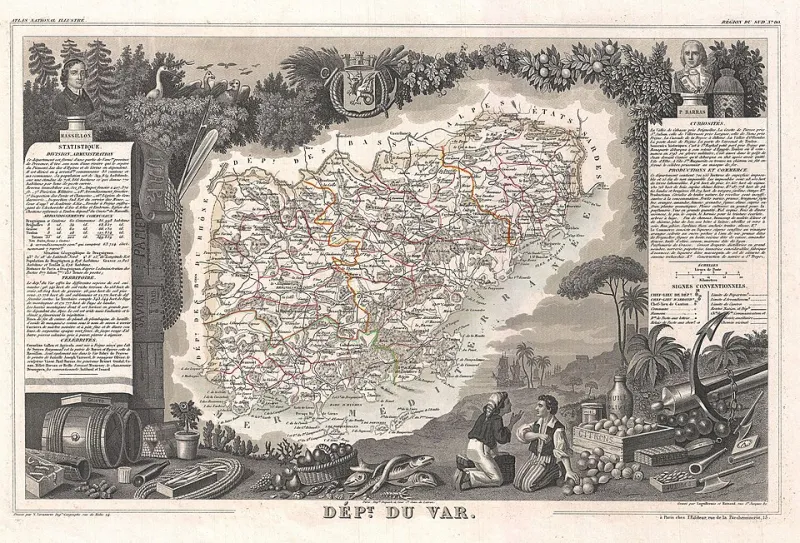
Photo: Victor Jules Levasseur / Frédéric-Guillaume Laguillermie, Public domain, via Wikimedia Commons
Ask a British drinker to picture Provence and a glass of pale pink wine usually appears. That is fair. Rosé is the region's calling card, and no one at Provence Wines UK is about to argue otherwise. But there is another side to the story, one that gets far less space on UK shelves: the whites. Made from Rolle, Clairette and Ugni Blanc, often in small quantities and frequently kept close to home, they are some of the most food-friendly bottles in France. In 2026, with more independent merchants listing Provençal blanc and more British cooks looking for wines that work with everyday food, it is time to give them a proper place at the table.
Why the Whites Get Overlooked
Provence is a large and varied region, and its white wines are scattered across appellations that rarely shout for attention. Bandol, Cassis, Palette, Coteaux d'Aix-en-Provence and Côtes de Provence all make whites, but none has the marketing muscle of Provençal rosé. Production is often small. Much of it is drunk locally, with fish, with cheese, with a Sunday lunch. The result is that a British drinker can know Provence well and still never have tasted a Provençal white.
That is a shame, because these wines are built for the way we eat here. They have freshness, texture and a savoury, herbal edge that sits naturally with British fish, bird and cheese. They are not trying to be Chablis or white Burgundy. They are doing their own thing: sunlit but fresh, generous but dry, with a saline finish that makes you reach for another glass.
Rolle: The Sunlit Workhorse
Rolle is the region's white grape with the widest reach, and the one most likely to win over a Chardonnay drinker who wants less oak and more lift. It is the same grape Italy calls Vermentino, but in Provence it tends to be a touch broader and more herbal. Expect lemon peel, white peach, fennel, a lick of sea spray and a bitter almond note on the finish. Good examples have texture without weight — think silk rather than cream.
This is the white to reach for when you want a bottle that can handle food without dominating it. Rolle from Côtes de Provence or Coteaux d'Aix-en-Provence is often excellent value, while Bandol blanc gives you more depth and a stony, savoury length. Serve it with fish pie and watch how the wine's acidity cuts through the creamy sauce while its almond edge flatters the parsley.
Clairette: The Quiet Aristocrat
Clairette is less famous and more romantic. It brings white flowers, honeysuckle, pear, aniseed and a waxy, almost lanolin texture. It can be low in acidity, so it needs careful handling, but in the right hands it makes a white of real perfume and poise. Look for blends with Rolle or Ugni Blanc for freshness, or varietal Clairette from Cassis and Palette if you want the full effect.
Oysters are the obvious match. The wine's perfume and gentle texture wrap around the brine of a good native oyster, and the finish keeps everything clean. If you prefer a leaner, brinier match, go for Ugni Blanc. But Clairette is the more intriguing glass, and it is the one that will make your guests ask what they are drinking.
Ugni Blanc: The Fresh Backbone
Ugni Blanc is the quiet backbone of many Provençal whites. It is high in acid, with green apple, lemon and a saline snap, and it is often used in blends to keep things lively. On its own it can be simple, but in a good blend it gives shape and drive. It is the wine to reach for when you want a white that behaves like a squeeze of lemon over a plate of shellfish.
It also works beautifully with mild British cheeses. The acidity cuts through the fat, and the saline note flatters the milky sweetness of Lancashire or Cheshire. This is not a wine for sharp cheddar or a heavy blue. It is a wine for a quiet lunch, a plate of oatcakes and a little chutney on the side.
What to Buy in the UK
Start with the appellations rather than the grape names. Bandol blanc, Cassis blanc, Palette blanc, Coteaux d'Aix-en-Provence blanc and Côtes de Provence blanc are all worth seeking out. Independent wine merchants and specialist French importers are your best bet; the larger supermarkets are improving, but the most interesting bottles still come from the independents. Expect to pay £14-£25 for a good everyday bottle, and £30+ for top Bandol blanc.
Ask for Provençal white, not Provenance rosé. Look for the youngest bottles on the shelf, as these wines are not built for long ageing. Serve them not too cold. A bottle taken straight from the fridge will taste of very little; give it 20 minutes on the counter and the fruit will come back.
At the Table: Four British Plates
Fish pie
Fish pie is the test. Cream, haddock, parsley, a little mustard, a mashed potato lid. The wine needs acidity and texture, but not too much oak. A Côtes de Provence blanc or a Bandol blanc works beautifully; if you can find Clairette, even better. The wine's perfume lifts the parsley, and the finish keeps the cream in check.
Oysters
Oysters and Clairette is a classic for a reason. The wine's perfume and waxy texture flatter the oyster's brine, and the finish is long and clean. Ugni Blanc gives a leaner, brinier match. Serve the oysters with lemon, brown bread and butter. Skip the shallot vinegar if you want the wine to sing.
Roast chicken
Roast chicken with lemon, thyme and garlic is Rolle's natural habitat. The herbs in the wine meet the herbs on the bird; the acidity lifts the skin. A Bandol blanc if you are feeling generous; a Coteaux d'Aix white for a Tuesday. Add a spoonful of Dijon to the roasting tin and the pairing gets even better.
Mild British cheeses
Lancashire, Cheshire, Caerphilly, Wensleydale. Not a sharp cheddar. Clairette's texture and gentle bitterness work with the milky sweetness, and Rolle's saline edge keeps things fresh. Add oatcakes, apple, celery and a little chutney. This is a plate for a cold afternoon, not a summer patio.
Serving Notes for a British Kitchen
Serve these whites at 8-10C, not ice cold. Take the bottle out of the fridge 20 minutes before you pour. Use a decent-sized glass so the wine can breathe. No need to decant, but a quick swirl helps. If the wine is too cold, it tastes of nothing; if it is too warm, it feels flabby. The sweet spot is cellar cool.
The Year-Round Case
These are not summer curiosities. A Provençal white with a January fish pie, a February roast chicken or a March plate of cheese is one of the quiet pleasures of the UK table. In 2026, with more of these bottles available than ever, there is no reason to leave them to the rosé season. Provence's whites deserve a place in the everyday rack, not just the holiday fridge.