Stalls, Glasses and a Canvas Bag: A Provençal Market Pairing Walk for British Cooks
Picture the morning market in Aix-en-Provence. The light is already strong, the plane trees are throwing shadows across the square, and the stalls are loaded with olives, tomatoes, anchovies and small, rough-skinned lemons. You have a canvas bag, a corkscrew and no particular plan. This is not a restaurant crawl. It is a market walk, the kind of gentle pairing exercise you can recreate at home in Britain with a few smart swaps. The wines are the thread. The stalls are the chapters.
The Olive Stall: Tapenade and a Cold Rosé
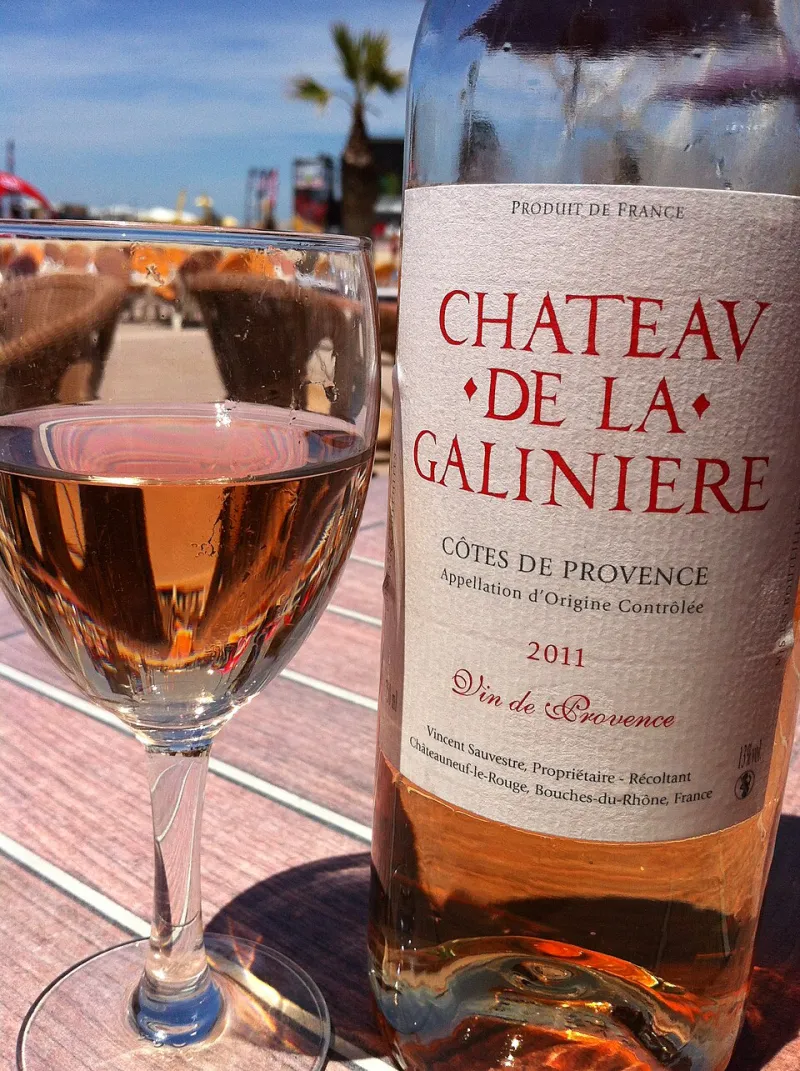
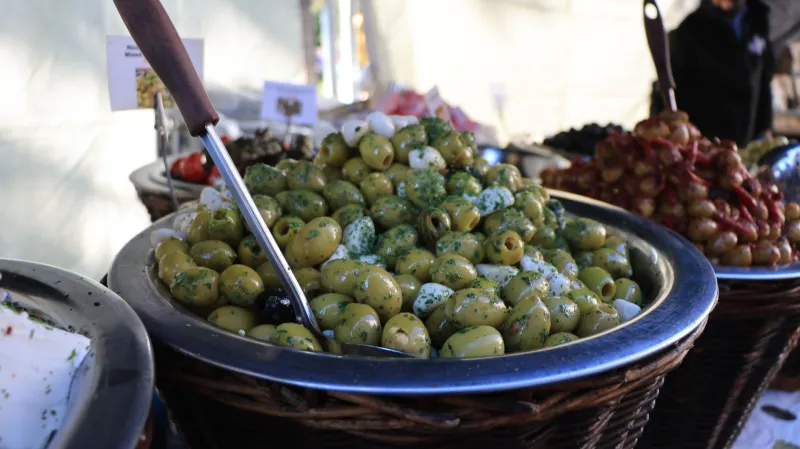
First stop: olives. Black and green, glossy and piled high, with a few bowls of tapenade alongside. Tapenade is the dark paste of olives, capers, anchovy and olive oil, and in Aix they will hand you a spoon so you can taste before you buy. The salt and brine need freshness and a little texture. A chilled Côtes de Provence rosé is the easy answer, but a Rolle white gives more grip and keeps the anchovy in check.
UK swap: buy a jar of good tapenade or blitz pitted Kalamata olives with capers, a tin of anchovy, garlic and olive oil. Serve on toasted sourdough or water biscuits. Do not overthink it. A bowl of olives, a spoon of tapenade and a cold glass is the whole point.
The Pissaladière Cart: Anchovy, Onion and White Wine
Next, pissaladière: a thick, savoury tart of slow-cooked onions, anchovies and black olives. It is not pizza, though it looks like one. The onions are soft and sweet, the anchovies are salty, and the whole thing is cut into squares and eaten with your fingers. Pair it with a white — Ugni Blanc or a lean Rolle. The wine's acidity cuts the onion sweetness, and the saline note meets the anchovy.
UK swap: ready-made puff pastry or pizza dough, a tin of anchovies, and onions cooked slowly until soft and golden. Warm squares, not hot slices. A glass of Clairette if you want perfume, or a pale rosé if you want to keep things simple.
The Tomato Stall: Summer's Best Case for Clairette
In summer the tomatoes are the point: big, misshapen, deep red, smelling of the vine. You buy a few, ask for a pinch of salt, and eat them standing up. Pair them with Clairette. The wine's white flowers and pear flatter the sweetness of the tomato, and its waxy texture makes the olive oil feel luxurious.
UK swap: Isle of Wight tomatoes in season, or the best supermarket tomatoes you can find. If they are pale, roast them with olive oil and salt until they collapse. Serve with a chilled Clairette or a pale rosé. A pinch of salt on the tomato, a slice of good bread, and you are there.
The Seasonal Produce Stall: Courgettes, Aubergines and a Light Red
Courgettes, aubergines, peppers, onions: the raw materials of ratatouille. This is the stall where you fill your bag and think about dinner. Pair the finished dish with a Côtes de Provence rouge or a young Bandol. Not a heavy winter red; something with garrigue, pepper and fresh acidity.
UK swap: supermarket courgettes and aubergines, roasted rather than stewed. Add thyme, bay and plenty of olive oil. A bowl of ratatouille with a glass of Bandol is a Sunday lunch, especially with a little lamb or a roast chicken on the side.
The Cheese Van: Mild British Cheeses and a Textured White
Cheese: in Provence you might find goat's cheese, tomme, or Banon wrapped in chestnut leaves. In Britain, swap in Lancashire, Cheshire, Caerphilly or Wensleydale. Pair them with Clairette or a Rolle. The wine's waxy texture and gentle bitterness flatter milky cheeses. Avoid sharp cheddar; it will bully the wine.
UK swap: a plate of mild British cheese, oatcakes, celery, apple and a little chutney. Keep the cheese at room temperature. A glass of Clairette and a piece of Lancashire is a better match than most people expect.
The Fishmonger: Mackerel, Oysters and a Cassis White
At the edge of the market, the fishmonger is laying out oysters, mackerel and sea bream on crushed ice. Oysters with Clairette or Ugni Blanc; mackerel with a Cassis blanc or a Provençal white with texture. The wine needs to be cold, fresh and saline.
UK swap: British oysters, mackerel from the counter, sea trout. Grill the mackerel, squeeze lemon over it, and serve with a cold white. If you are buying oysters, ask the fishmonger to open them and eat them within the hour.
The Fruit Stall: Figs, Melon and a Rosé
Figs, melons, grapes: the fruit stall is the last stop, and the easiest. A ripe fig with a pale rosé is a fine thing. Not a dessert wine, just a glass of something cold and dry. The fruit is sweet, the wine is fresh, and the combination works.
UK swap: figs in season, or ripe pear with a slice of prosciutto. A melon wedge with a glass of rosé is a simple starter. Do not chill the wine to oblivion; you want to taste the fruit.
Your British Market Basket
Here is the practical bit. You do not need a plane ticket. Build a basket with tapenade, a tin of anchovies, olives, puff pastry, onions, tomatoes, courgettes, aubergines, a mild British cheese, and a couple of oysters or a mackerel. Add a bottle of chilled rosé, a Rolle, a Clairette and a light red Bandol. Chill the whites to 8-10C, open the red 30 minutes before you eat, and use small glasses.
Put everything on a table and let people help themselves. The market in Aix is a lovely thing, but the point is the rhythm: salty, sweet, briny, herby, with a glass that keeps the whole walk moving. In a British kitchen, with a canvas bag from the supermarket and a bottle from the independent down the road, you can get remarkably close.