The Cool Cupboard Rule: Keeping Provence Bottles Happy in a British Home
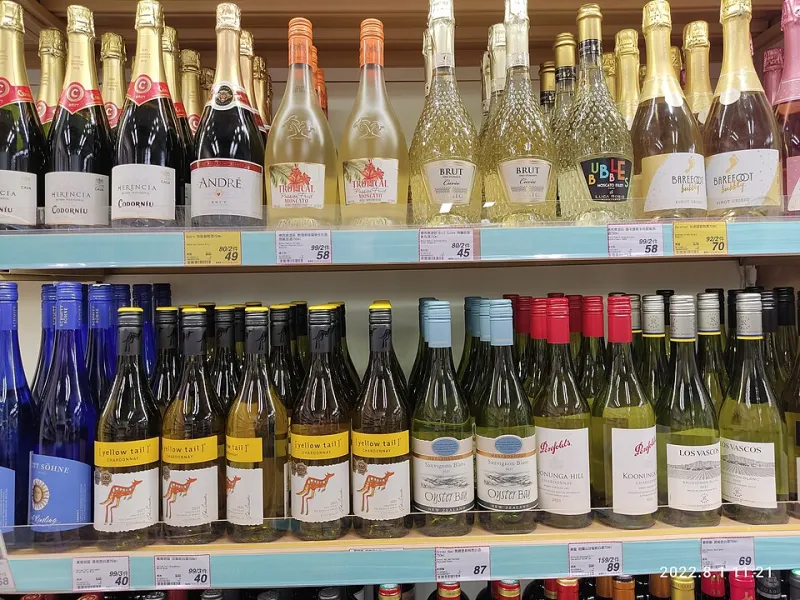
Photo: LINAMWYZNAM Wangrim, CC BY-SA 4.0, via Wikimedia Commons
There is a particular kind of British optimism that buys a mixed case of Provençal wine, tucks it somewhere near the boiler and assumes all will be well. It is the same optimism that believes a garden shed is basically a cellar because it is dark and has a door. Sometimes it works. Often it does not. The good news is that storing Provence wine at home does not require a vaulted underground room, a second mortgage or a solemn ceremony involving a thermometer. It requires a little honesty about what you have bought, how long you plan to keep it and which corner of your home is least likely to cook it.
Provence is not just rosé, although rosé is what most of us reach for first. The region also gives us crisp whites based on Rolle and Clairette, light reds for weekday suppers and the more serious Mourvèdre-led reds of Bandol. They do not all ask for the same treatment. A young Côtes de Provence rosé bought to drink in the next few months is a very different proposition from a bottle of Bandol rouge you intend to leave alone for a few years. Treating them identically is where most home storage goes wrong.
First, decide what kind of bottle you are keeping
Think in two groups: the drinking shelf and the slow shelf. The drinking shelf is for rosé, young white, light red and anything you plan to open within, say, six to twelve months. These bottles want to be cool, stable and out of bright light, but they do not need a wine fridge or a monastic silence. The slow shelf is for bottles with real ageing potential: structured Bandol reds, perhaps a serious Cassis white, or a Provençal red you have bought specifically to forget about for a while. That group deserves better conditions and a smaller allocation of space.
Most of us overestimate how much wine we need to age and underestimate how much we need to drink. In a British flat, that is a useful correction. Buy the rosé to drink this season. Buy a couple of Bandol reds to tuck away if you are curious about how Mourvèdre evolves. But do not turn a modest under-stair cupboard into a museum of bottles you are too nervous to open.
The three things that actually matter
Heat is the obvious one. Wine does not enjoy being parked next to a radiator, above a cooker or in a south-facing window where the afternoon sun turns the bottle into a small greenhouse. British homes are often cool for much of the year, but our kitchens can run warm and our flats can be surprisingly snug in a heatwave. Avoid anywhere that swings from cold to hot and back again. Stable temperature matters more than a perfect number.
Light is the second. Clear glass may look lovely on a shelf, but Provençal rosé and white are especially vulnerable to bright daylight. A cupboard, a wardrobe or a dark corner is better than a pretty open rack in a sunlit kitchen. If you insist on displaying bottles, keep them for short-term drinking and rotate them.
Movement and vibration are the third, though less dramatic than the internet suggests. You do not need to tiptoe past your wine, but do not store it on top of the washing machine or beside a speaker that is permanently thumping. A quiet, dark spot is the aim.
The least bad places in a British home
An under-stair cupboard is often the best compromise in a flat: dark, generally cool and out of the way. Check for damp, and keep bottles off a bare concrete floor if the cupboard feels cold and wet. A spare bedroom wardrobe works well if it is away from radiators. A garage can be fine in mild weather but risky in a hard frost or a summer heatwave; the same applies to a garden shed, which is dark but rarely stable. If your shed freezes in winter and bakes in July, it is a storage space for garden chairs, not wine.
The kitchen is usually the worst room in the house: warm, bright and full of appliances. If you must keep wine there, choose the coolest lower cupboard away from the oven, fridge exhaust and radiator. The boiler cupboard is a firm no. So is the top of the fridge.
A standard domestic fridge is not a wine cellar, but it is not a disaster for short-term drinking either. A bottle of Provençal rosé can live in the fridge for a few weeks without harm, especially if you plan to drink it soon. Just do not leave a cork-sealed red upright in there for months and expect it to improve. And remember that fridge temperatures flatten aroma: take white and rosé out twenty minutes before serving so they can open up.
Myths worth putting out with the recycling
The first myth is that every bottle must lie down. Cork-sealed bottles benefit from lying flat so the cork stays moist, but screwcap bottles can stand upright quite happily. Sparkling wines and serious reds are the bottles most worth laying down. A young rosé under screwcap will not sulk because it has been standing in a cupboard for a fortnight.
The second myth is that a wine fridge is mandatory. If you are buying Provençal rosé to drink within the year, a cool cupboard and a little common sense will do. A wine fridge becomes more useful if you are ageing Bandol reds or building a mixed collection, but it is not a prerequisite for enjoying the region.
The third myth is that rosé improves with age. Some fine Provençal rosés can hold longer than people expect, but most are at their best young and fresh. Buy them, chill them, drink them with lunch. That is not a compromise; it is the point.
A small-space buying strategy
If space is tight, buy fewer bottles and buy them with a purpose. Keep a mixed half-case for the next month or two: a rosé for aperitifs, a Rolle-based white for fish or chicken, a light red for midweek pasta. Then, if you are interested in ageing, add two or three bottles of Bandol rouge and put them somewhere genuinely cool and dark. Avoid filling every gap with bargain bottles just because they fit.
Provençal wines that suit limited space tend to be the ones you actually open: young rosé, crisp whites, light reds and a modest number of structured reds. Larger formats are charming but demanding; half-bottles are useful but less common. A simple rack in a dark cupboard is enough. So is a cardboard box with the bottles lying down, provided it is not in the warmest room.
The cool cupboard rule
Aim for a dark, quiet spot that stays roughly between 12°C and 16°C if you can, and do not panic if a short-term bottle sits a little warmer. Avoid the boiler cupboard, the radiator shelf and the sunlit windowsill. Keep your drinking wines close and your ageing wines few. Then open the rosé when the sun comes out, even if the sun is only coming outover the neighbour's fence. Provence in a British home is not about perfect cellaring. It is about giving good bottles a fair chance and then enjoying them at the table.