The Label Knows: How to Tell Real Provence Wine from a Clever Imitation
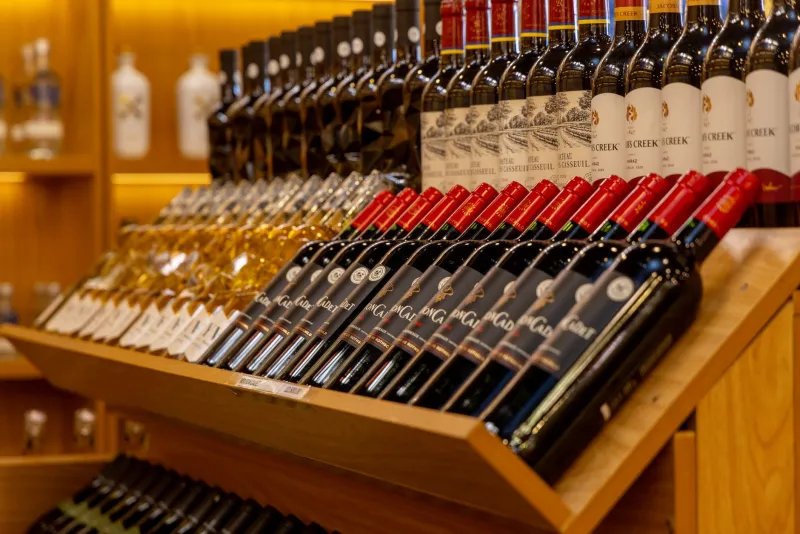
Walk into any UK supermarket and you will find the same seductive scene: pale pink wine, a curvy bottle, a label in elegant script, and the word Provence floating somewhere near a drawing of lavender. It is a brilliant piece of packaging. It is also, sometimes, a brilliant piece of misdirection. The wine may be perfectly pleasant, but it may have no more connection to Provence than a packet of herbes de Provence has to a British herb garden.
None of this is illegal, and not every shortcut is a con. The trick is learning which words on a label carry legal weight and which are just atmosphere. Once you know the difference, buying Provençal wine in the UK becomes much less of a guessing game.
First, the phrase that promises nothing
Provence-style is not a protected term. It is a mood board in two words: pale colour, dry finish, maybe a hint of wild strawberry and a breeze off the Mediterranean. The wine itself could be made anywhere in France, or from grapes grown across several regions, and still be called Provence-style. It is a useful description for a certain kind of rosé, but it is not a passport.
If you see Provence-style on a Vin de France bottle, treat it as a style cue rather than a place. That is not automatically bad news. A cheap, crisp pink wine for a Tuesday supper can be exactly what you want. Just do not pay AOP money for a bottle that only promises a vibe.
The appellations that actually do the work
In France, origin is controlled through AOP and AOC names. For Provence, the names worth knowing include Côtes de Provence, Coteaux d'Aix-en-Provence, Coteaux Varois en Provence, Bandol, Cassis, Bellet and Palette. These are the real deal: the grapes must come from a delimited area, and the wine must follow rules about varieties, yields and production.
Côtes de Provence is the big one, and most of the rosé you see on British shelves comes from there. It also has smaller named zones within it, such as Sainte-Victoire, Fréjus, La Londe and Pierrefeu, which can be useful clues if you want to explore further. Bandol and Cassis are smaller and more famous for reds and whites respectively, but they are still part of the Provençal story. If a label says Côtes de Provence, it must legally be from that area. That is a much stronger promise than a cursive font.
Look for the words Appellation d'Origine Protégée, or the small AOP logo. It is not always on the front label, so turn the bottle around. The back label should name the appellation clearly, along with the producer and the importer. A UK address for the importer is normal and tells you nothing about origin; the French appellation is the part that matters.
IGP Méditerranée: useful, but not a guarantee
IGP sits one step below AOP in the French quality hierarchy. IGP Méditerranée covers a huge slice of southern France, stretching well beyond Provence. A bottle can be honest, fresh and good value, and it may well come from Provence. But the label does not guarantee it. Some departmental IGPs, such as IGP Var or IGP Bouches-du-Rhône, narrow things down a little, though they are less common on UK shelves.
For British drinkers, IGP Méditerranée rosé at around £8 to £12 can be a very good midweek buy. It is often made in a clean, dry style that works with seafood, salads and the kind of picky fridge supper that happens after a long day. The problem comes when a bottle is dressed up as Provençal and priced like a named appellation. If you are paying £18 or more, you should expect a real Provençal origin on the label, not just a hint of sunshine in the copy.
Vin de France and other clever shortcuts
Vin de France means French wine without a specific geographic origin. It can be a blend from different regions, and it can be made in a Provençal style without coming from Provence at all. That is not a crime, but it is worth knowing when you are standing in the wine aisle.
Watch for phrases such as inspired by Provence, Provençal tradition, Côtes de Provence-style, or a brand name that simply sounds French and sunny. These are marketing words, not controlled terms. The same goes for a picture of a lavender field or a villa with shutters. It might be charming, but it is not an appellation.
Also check the back label carefully. Produced in France is not the same as produced in Provence. Mis en bouteille dans la région de production can sound reassuring, but bottling location is not the same as grape origin. The name of the appellation is the clearest signal you will get.
A simple shelf checklist
- Look for AOP or AOC plus a named Provençal appellation. Côtes de Provence is the most common; Bandol and Cassis are worth seeking out.
- Ignore Provence-style, inspired by Provence and similar phrases if origin matters to you.
- Turn the bottle around and find the appellation on the back label. If it is not there, be sceptical.
- Use price as a clue, not proof. Pale colour, heavy glass and a pretty label are not quality guarantees.
- Buy IGP Méditerranée for value if you like the sound of it, but do not pay AOP prices for it.
- Ask an independent merchant when you can. A good wine shop will tell you whether a bottle is from the Var, from further west, or from a blend of several regions.
What to drink once you have found the real thing
A genuine AOP Côtes de Provence rosé is lovely with grilled prawns, crab sandwiches, or a big summer salad with goat's cheese and tomatoes. A white from Cassis is a natural partner for shellfish, while a Bandol red has the depth for roast lamb or a slow-cooked shoulder of pork. These are not fussy pairings. They are the kind of food you actually cook in a British kitchen, matched to wines that earn their place on the table.
The pleasure of Provençal wine is not just the sunshine in the glass. It is the sense of place: the limestone, the sea air, the old vines and the people who make the stuff. The label should earn that. Read the small print, ignore the theatre, and you will drink much better for it.