The Sunday Table, Reimagined: Provençal Bottles for a British Roast
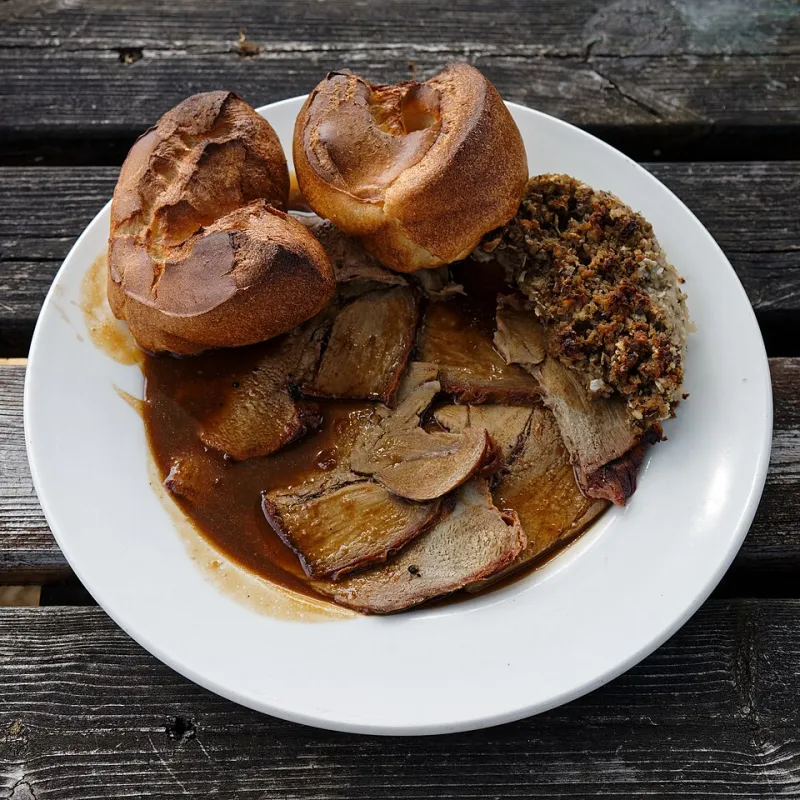
Photo: Acabashi, CC BY-SA 4.0, via Wikimedia Commons
Sunday lunch is less a meal than a small engineering project. There is meat to rest, gravy to whisk, Yorkshire puddings to coax upwards and a tray of roots caramelising at the edges. Wine has to earn its place at that table. It should cut through richness, flatter the gravy and still taste good when the plates have gone back for seconds. Provençal bottles are not the first thing most British cooks reach for on a Sunday, but they deserve a seat beside the roast.
Start with the gravy, not the meat
Gravy is the real test. A good Sunday gravy is salty, savoury and just fatty enough to coat the tongue. That means the wine needs acidity and a little grip, not just soft fruit. This is where Bandol reds come into their own. Mourvèdre, the grape behind most serious Bandol, gives dark fruit, dried herbs and a tannic structure that slices through gravy-soaked Yorkshire pudding without turning the meal into a tannin contest.
A young Bandol can feel a bit stern straight from the bottle. Give it 30 to 45 minutes in a jug or decanter while the lamb rests. You are not looking for a complete transformation, just a little air to soften the edges and let the garrigue notes come forward.
Lamb and Bandol: a natural fit
Rosemary lamb is the obvious pairing, but the details matter. If you have studded the joint with garlic and rosemary, a Bandol red echoes those herbal notes. If you have gone for a slower, stickier shoulder, the wine's acidity keeps the plate from feeling heavy. The same applies to beef: a Bandol with a few years in bottle is a fine alternative to Bordeaux or Rhône for a roast rib.
Serve Bandol red at 16–18°C. In a British kitchen that usually means pulling it out of a cool cupboard 20 minutes before lunch, not parking it beside the oven. If the room is warm, a brief spell in a bucket of cool water will do more for the wine than an hour on the sideboard.
Chicken, Cassis and the case for white
Roast chicken is where Provençal whites shine. Cassis, the small coastal appellation west of Toulon, makes whites from Clairette and Marsanne that are textural, saline and quietly generous. They have enough body for roast chicken skin and bread sauce, but enough freshness for the greener parts of the plate.
A Cassis white also handles the nut roast better than many reds. Nut roasts are savoury, earthy and often a little sweet from onion and carrot. A white with a touch of waxiness and a salty finish keeps everything in balance. Serve it at 10–12°C: cool, but not so cold that the texture disappears.
Nut roast and the rosé question
Provence rosé is often treated as a summer drink, which is a shame. A structured rosé, the sort with a pale onion-skin colour and real weight on the palate, is excellent with a vegetarian Sunday plate. Look for rosés from Bandol or Palette rather than the lightest Côtes de Provence styles. They have enough body for pastry, mushrooms and roasted roots, and enough acidity for cranberry or redcurrant sauces.
This is not a compromise bottle. A good Bandol rosé, made mostly from Mourvèdre and Grenache, can carry a nut roast with all the trimmings. Serve it at 10–12°C, slightly warmer than you would serve a poolside rosé.
The trimmings matter
Yorkies, roast potatoes and parsnips all bring fat and caramelised edges. Tannin loves that. A Bandol red with moderate alcohol and fresh acidity will feel cleaner after a roast potato than a broad, jammy red. If you are serving cauliflower cheese, lean towards the Cassis white or a structured rosé; the cream and cheese can make a tannic red taste drying.
Stuffing is another useful guide. Herb-heavy stuffing with sausage meat welcomes the garrigue character of Provençal reds. A lighter chestnut and mushroom stuffing is happier with the white. And please do not forget the mint sauce or redcurrant jelly: a little sweetness on the plate can make a dry red feel austere, so keep those condiments to the side rather than flooding the plate.
Temperatures for a British kitchen
A few practical numbers help. Bandol red: 16–18°C. Cassis white: 10–12°C. Structured Provençal rosé: 10–12°C. If you are unsure, err on the cooler side for whites and rosés and the warmer side for reds. Central heating is the enemy of serving temperature, so move bottles to the coolest room before lunch and avoid direct sunlight.
Bottles from supermarket to merchant in 2026
Supermarket shelves shift, but the styles are reliable. In 2026, look for Bandol reds from established names such as Domaine Tempier, Château de Pibarnon and Domaine du Gros'Noré through independent merchants and specialist importers. Majestic and The Wine Society often carry Bandol or Bandol-adjacent Mourvèdre blends; availability changes, so ask the buyer rather than trusting a dusty shelf label. For Cassis whites, Clos Sainte Magdeleine and Domaine du Bagnol are benchmark names worth seeking out. For a structured rosé, Domaines Ott and Bandol rosés from good merchants are a better Sunday choice than the palest supermarket bottling.
If you want a single bottle to cover lamb and nut roast, a Bandol rosé is the diplomat. If you are cooking chicken, start with Cassis white. If there is lamb with rosemary and gravy, open Bandol.
A Sunday lunch that leaves room for pudding
The best pairing is the one that makes the table feel relaxed. Provençal wines are not loud. They work through freshness, texture and a savoury herbal note that suits British roasts surprisingly well. Open the red early, keep the white properly cool, and do not overthink the gravy. Sunday lunch has enough moving parts already.