The Game Larder: Provençal Reds for Pheasant, Partridge and Venison
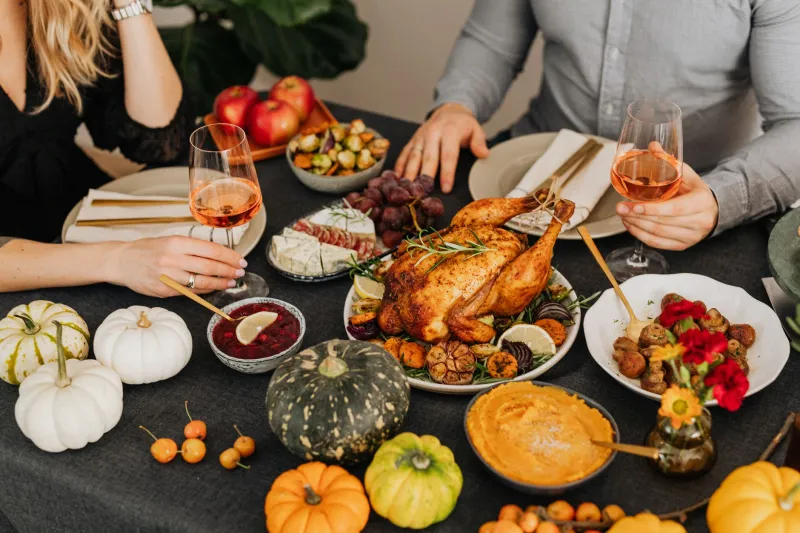
November is the month when the British game dealer’s counter comes into its own. Feathers on one side, fur on the other, and a row of handwritten labels that ask you to think beyond the Sunday roast. Pheasant, partridge, venison, pigeon, maybe a hare if you are feeling ambitious. The cooking is rarely complicated — bacon, thyme, juniper, redcurrant, a splash of port — but the wines need to have a bit about them. This is where Provence’s reds earn their place at the British table.
Why Provençal reds suit game
Provençal reds are not the blockbusters some drinkers expect. They tend to be led by Grenache and Mourvèdre, often with Syrah and Cinsault in support, and they carry the scent of the garrigue: thyme, rosemary, bay, a dusting of white pepper. That herbal character is exactly what game wants. Pheasant and partridge can be dry and lean; venison can be iron-rich and sturdy. A wine with fresh acidity, moderate alcohol and savoury tannins does more for both than a jammy, heavily oaked red.
The other advantage is temperature. These are wines that taste better slightly cool — around 16–17°C — which suits a British dining room in November far better than a hot, alcoholic red. Open them half an hour before you sit down, keep them away from the radiator, and let the food do the rest.
Pheasant: fruit, herbs and a little patience
Roast pheasant with bacon and thyme is the classic for a reason. The bacon keeps the bird moist; the thyme echoes the wine. For this, look to Les Baux-de-Provence. Grenache-led reds from this small appellation have a wild-herb scent and a fine, dusty grip that picks up the bacon fat without overwhelming the meat. Estates here range from polished to pleasantly rustic, but the common thread is freshness. A wine with a few years on it — think 2021 or 2022 rather than the newest release — will have softened into something more savoury and game-friendly.
If you are serving bread sauce, keep the wine on the herbal side. If you are doing a redcurrant jus, a touch more fruit is fine. Avoid anything too tannic; pheasant does not need a fight.
Partridge: keep it light and lifted
Partridge is the delicate one. Roasted whole with bacon, or braised with puy lentils and a little cabbage, it wants a red that is supple rather than powerful. Coteaux d’Aix-en-Provence is a good place to start. These reds are often Grenache-dominant, with Syrah and Mourvèdre adding pepper and a bit of structure. They are rarely heavy, and they have enough acidity to cut through lentils and buttery cabbage.
Serve a young Coteaux d’Aix slightly cool and do not over-decant it. The point is the lift, not the weight. If you have a bottle of Cassis rouge in the rack, that also works — Cassis reds can be elegant and wild at the same time, with Mourvèdre giving a savoury edge that suits partridge better than a soft, generic red.
Venison: the Mourvèdre moment
Venison is where Mourvèdre earns its keep. A haunch roasted with juniper, or a slow-cooked stew with port and redcurrant, needs a wine with enough grip and enough savoury depth. Palette, the tiny appellation east of Aix, is the classic answer. Château Simone is the benchmark here: old-vine reds that smell of bay, leather, dark cherries and something gently ferrous. They age beautifully and they love furred game.
Cassis rouge is another strong choice. The appellation is small, the reds are often overlooked, and they have a firm, wild character that stands up to venison without turning into a caricature of a Rhône wine. If you want something more immediately approachable, a Mourvèdre-rich Bandol will do the job, but keep the Provençal herb note in mind: you want garrigue, not just power.
Pigeon, hare and the rest of the counter
Wood pigeon with blackberries is a lovely November supper, and it suits a Cassis rouge or a Coteaux d’Aix with a bit of age. The fruit in the wine picks up the berries; the pepper picks up the bird. Hare is richer and gamier — a Palette or an older Les Baux is the better match, especially if you are cooking it with prunes or a red-wine sauce. Rabbit with mustard is lighter again; a young Coteaux d’Aix or a supple Les Baux will be more pleasant than anything too tannic.
Four appellations, four jobs
- Les Baux-de-Provence: Grenache-led, herbal, fine-grained. Good for pheasant and lighter furred game.
- Palette: Old-vine reds with savoury depth and ageing potential. The venison and hare option.
- Cassis: Small, wild, Mourvèdre-influenced reds. Excellent with pigeon and partridge.
- Coteaux d’Aix-en-Provence: Supple Grenache blends with pepper and freshness. The all-rounder for feathers.
Sauces, serving and the practical bit
British game cooking tends to be sauce-led: bread sauce, redcurrant jelly, port reductions, mustard cream. Provençal reds handle these well because they have acidity and herbal freshness rather than just fruit and oak. A wine that is too oaky will make bread sauce taste sweet; a wine with too much alcohol will make a port reduction feel heavy. Keep the red modest in alcohol and confident in herb.
Serve game reds at cellar cool, not blood warm. Decant older bottles for 30 minutes; leave young ones open on the sideboard while the bird rests. If you are buying from a UK merchant, ask for a Grenache-led Provençal red with a bit of Mourvèdre in the blend and a few years in bottle. That is the sweet spot for the game larder. And if the dealer has a hare, buy it. The Palette will be waiting.