Open Early, Drink Better: Giving Young Provençal Reds Room to Breathe
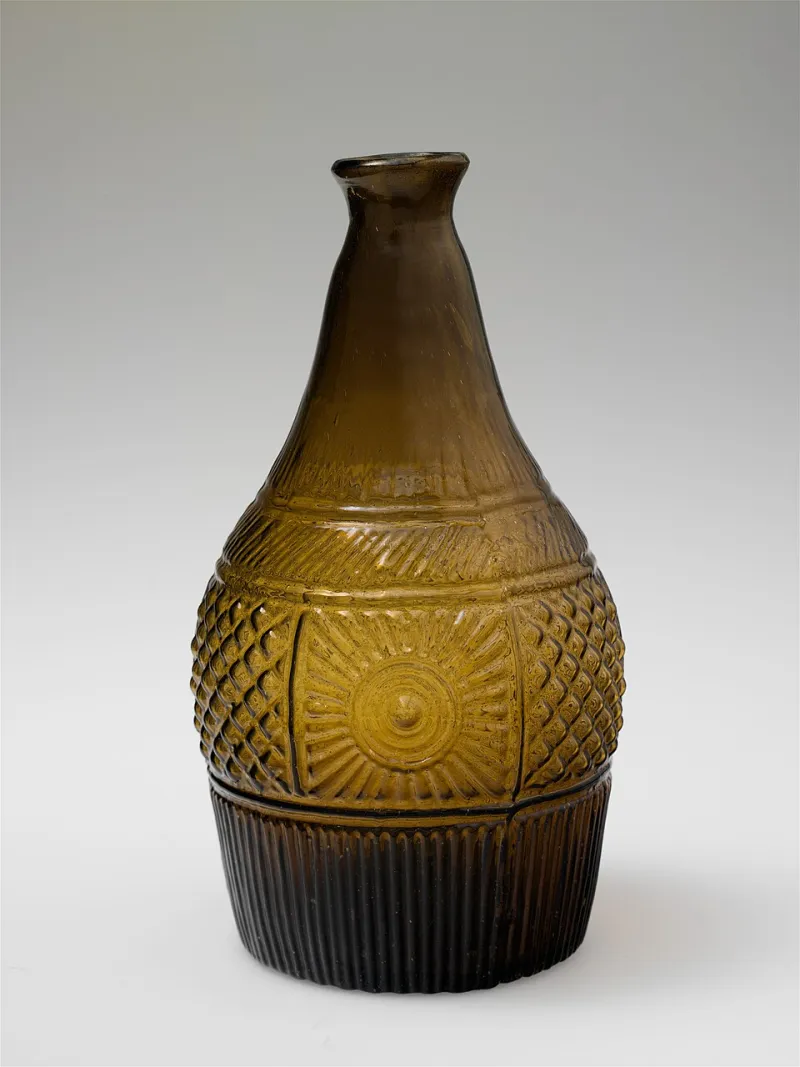
Photo: Creator:Keene Glass Works, CC0, via Wikimedia Commons
There is a particular kind of optimism that comes with opening a young Bandol on a Tuesday night in a British flat. The bottle is dark, the label looks serious, and the first glass is often a little closed. You can almost hear the wine tapping its watch. It needs air, but not a cellar, not a decanter the size of a fruit bowl and not a three-hour ceremony. It needs a sensible plan.
The small-kitchen problem
Most of us do not have a cellar. We have a kitchen with a radiator, a fridge that is fuller than it should be and a cupboard where the good glasses live behind the cereal. That is fine. Young Mourvèdre-led reds from Bandol, Cassis and the wider Provence region do not require a grand setup. They require oxygen, a little patience and a willingness to taste as you go.
What young Mourvèdre actually needs
Mourvèdre gives colour, tannin and a savoury, herbal character that can feel austere in youth. In Bandol it is often blended with Grenache and Cinsault, which add flesh and perfume, but the tannin still needs time to relax. Decanting does not age a wine. It exposes it to air, softening some edges and letting aromas unfold. Think of it as a short, useful conversation rather than a magic trick.
Young Provençal reds often show dark cherry, blackberry, dried thyme, rosemary and a dusty, stony note. With air, those aromas become more generous and the tannins feel less like a grippy handshake. The fruit does not become sweeter; it becomes clearer.
The myth of the long decant
There is a persistent idea that every young red needs hours in a decanter. Often it does not. A young Bandol can improve with 30 to 60 minutes, but leaving it for three hours in a warm kitchen may flatten the perfume and make the wine taste tired. The right question is not how long should I decant this, but how is this bottle tasting right now.
Growers in Bandol often say the same thing in different words: taste first, then decide. A wine that is already open and expressive may need only a quick pour into a jug. A tight, tannic bottle may benefit from a longer spell. There is no universal clock. The vintage, the producer, the grape mix and the temperature of the room all matter.
Growers' shorthand: taste, then decide
Practical advice from the region tends to be refreshingly low-tech. Open the bottle an hour before you plan to drink it. Pour a small glass. If the nose is closed and the tannins feel severe, decant. If it is already fragrant, leave it in the bottle and simply pour with a little vigour. If it is somewhere in between, decant for 20 to 30 minutes and taste again.
A clean glass jug works as well as a decanter. So does a wide-mouthed water pitcher. The point is surface area, not crystal. Young reds rarely throw much sediment, so you are decanting for air rather than filtration. If you do use a decanter, rinse it with a little of the wine first and avoid detergent smells.
Before and after: a simple tasting frame
Use a small before-and-after tasting to judge the wine. Before decanting, pour a thimble-sized sample. Note the fruit, the herbal notes and the texture of the tannin. A young Bandol might show tight black cherry, dried rosemary, a chalky grip and a finish that feels compact. After 20 minutes in a jug, the same wine may show more blackberry, a softer tannin and a longer, stonier finish. After an hour, it may be rounder still, but it may also lose a little energy.
That is the useful signal. If the wine improves for 30 minutes and then stops changing, drink it. If it keeps opening, give it more time. If it starts to smell dull or flat, you have gone too far. Do not feel obliged to finish the decanting experiment; the point is to enjoy the bottle, not to conduct a laboratory session.
Glassware without the glass cabinet
You do not need a different glass for every grape. A medium-to-large wine glass with a wide bowl and a tapered rim is ideal for young Mourvèdre-led reds. The wide bowl gives the wine room to breathe; the taper gathers the aromas. A small tumbler will make almost any young Bandol feel closed and tannic. If you only have one set of decent glasses, use them for reds and rinse them well between bottles.
Avoid filling the glass more than a third full. Young reds need space above the liquid. Swirl gently, smell, then taste. The glass is part of the decanting process.
Temperature tricks for a centrally heated flat
Serving temperature is where many British homes go wrong. A young Bandol served at 22°C in a warm kitchen will taste soupy and alcoholic. Aim for 16–18°C. If the bottle has been near a radiator, stand it in a bucket of cool water for 10 minutes. If the room is cold, let it warm slowly in the glass. Do not put reds in the fridge unless you plan to take them out well before serving.
A cool windowsill, a garage step or the floor of a pantry can work as a temporary cellar. Just keep the bottle away from direct sun and strong smells. In a small kitchen, a washing-up bowl with a little cold water and a thermometer is a perfectly respectable tool.
Slow oxidation without a cellar
If you want to open a young red without committing to a full decant, try the jug method. Pour half the bottle into a jug, leave it for 20 minutes, then taste both the jugged wine and the bottle wine side by side. This gives you a clear comparison and leaves half the bottle fresh for tomorrow. You can also pour a glass and leave it for 15 minutes while you cook; that is a gentle, low-risk form of aeration.
Double decanting, where you pour the wine into a decanter and then back into a cleaned bottle, is useful for separating sediment in older wines, but it is not necessary for most young Provençal reds. Nor is hyperdecanting in a blender. It can soften tannin quickly, but it also whips away aroma. For a young Bandol, a jug and a little patience are kinder.
When to stop decanting
Stop when the wine tastes balanced. If the fruit is clear, the tannin feels supportive rather than aggressive and the finish is fresh, it is ready. If the wine starts to feel loose or dull, it has had enough air. This is especially true of lighter Provençal reds and Cinsault-heavy blends, which can fade faster than a serious Bandol.
In 2026, the useful takeaway is simple: decanting is a tool, not a rule. Young Bandol and Mourvèdre-led reds reward attention, but they do not need a cellar, a stopwatch or a ceremony. Open the bottle early, taste as you go and serve it at a sensible temperature. The wine will tell you when it is ready.