Provence by Rail: A Car-Free Weekend of Cassis, Bandol and Aix
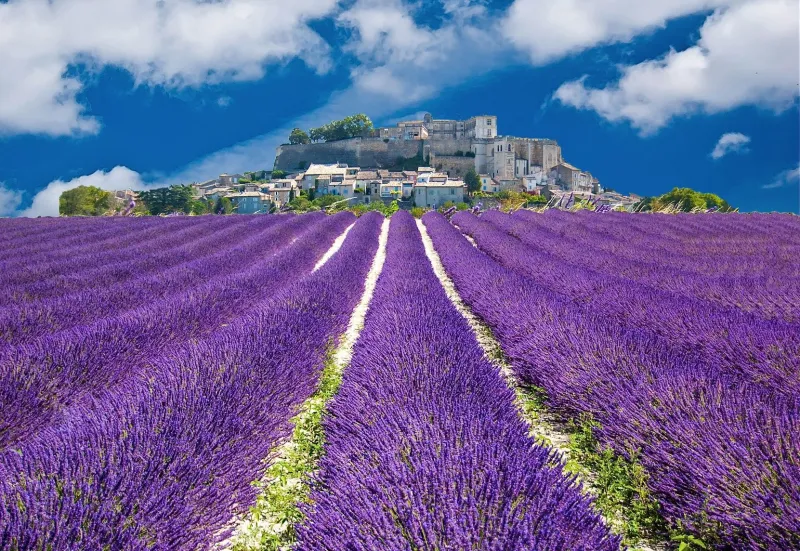
Photo: Provence vineyard train station Cassis Bandol travel wine tasting, via s-media-cache-ak0.pinimg.com
There is a particular pleasure in arriving in Provence by train. The landscape shifts from northern grey to olive green, the light turns sharper, and by the time you step onto the platform in Marseille or Aix you are already in holiday mode. Better still, you have not spent the last hour arguing with a satnav or wondering whether the hire car insurance covers the wing mirror.
A car-free wine weekend in Provence is not only possible; it is one of the most civilized ways to taste through the region. The trick is to base yourself sensibly, use the local TER trains and keep the itinerary small. Cassis, Bandol and Aix-en-Provence fit together neatly, with Marseille as the rail hub and Aix as the calm place to sleep.
Getting there without the airport shuffle
The simplest route from the UK is Eurostar from London St Pancras to Paris Gare du Nord, then a short taxi or metro hop to Gare de Lyon for a TGV south. Allow at least 90 minutes between trains. You can book the whole journey through Eurostar or a rail agent, but check the connection time carefully — Gare du Nord to Gare de Lyon is not a five-minute stroll with a suitcase.
Alternatively, take Eurostar to Lille Europe and pick up a direct TGV towards Marseille or Avignon. The exact timetable changes by season, so book closer to your dates and avoid tight connections. For Aix, the TGV station is outside town; a shuttle bus links it to the centre in about 15 minutes. For Cassis and Bandol, the local TER trains from Marseille are quick, cheap and pleasantly unstressed.
Friday: Aix-en-Provence as a soft landing
Aix is a good first base. It is walkable, elegant and less frantic than Marseille, with enough wine shops and tasting bars to ease you into the weekend. Stay near the old town or Cours Mirabeau so you can leave the car question behind entirely. Check into your hotel, drop the bag and head out for an early evening glass.
Aix has plenty of cavistes, but two useful ports of call are Cave du Cours on Cours Mirabeau and the cluster of wine shops around Place Richelme. Do not expect a Napa-style tasting room on every corner. The Provençal model is often a shop with a few open bottles, a knowledgeable owner and a willingness to let you try before you buy. Ask for a dégustation, explain what you like, and buy a bottle if you taste. It is the simplest etiquette in the world and it works.
For dinner, keep it simple: grilled fish, lamb, aubergine and a bottle of pale rosé. You are here to acclimatise, not to tick off a list.
Saturday morning: Cassis by train
From Marseille, the TER to Cassis takes around 25 minutes. The station is about 2km from the port, so either walk down through the town or take a local bus. Cassis is small enough to cover on foot, and the walk between the harbour and the vineyards is part of the appeal.
Start at La Cave des Vins de Cassis, the local cooperative, which is walkable from the port and offers a straightforward introduction to the appellation. Cassis is one of the oldest wine areas in Provence, and its white wines — made from Clairette, Marsanne and Ugni Blanc — are the real local speciality. The rosé is lovely too, but do not ignore the whites. They are crisp, saline and excellent with the seafood you will inevitably eat at lunch.
If you want a more personal visit, book ahead at Clos Sainte Magdeleine, whose tasting room sits close to the calanques and is reachable on foot from the port if you allow time. Visits are usually by appointment, so email before you travel. Do not turn up at a family estate on a Saturday morning expecting a casual walk-in; Provence is relaxed, but tasting rooms still run on appointments and lunch breaks.
Saturday afternoon: Bandol by train
From Cassis, hop back on the TER towards Bandol. The journey is short — around 15 minutes — and the station is a ten-minute walk from the seafront. Bandol is famous for Mourvèdre-based reds, but the rosé is serious too, with more grip and savoury character than the palest Côtes de Provence styles.
Head for the Maison des Vins de Bandol, which is walkable from the station and a sensible first stop. It is a shop and information point rather than a vineyard, but it is a good place to taste a range of producers in one go and to work out which estates you might want to visit next time. If you have booked ahead, Domaine Tempier is the famous name, but its tasting room is not in Bandol itself and you would need a taxi. For a car-free weekend, keep it simple and stay in town.
Lunch by the harbour is almost obligatory. Order the moules or the grilled fish, drink a glass of Bandol rosé and watch the ferries come and go. This is not a day for rushing.
Sunday: Aix, markets and a final tasting
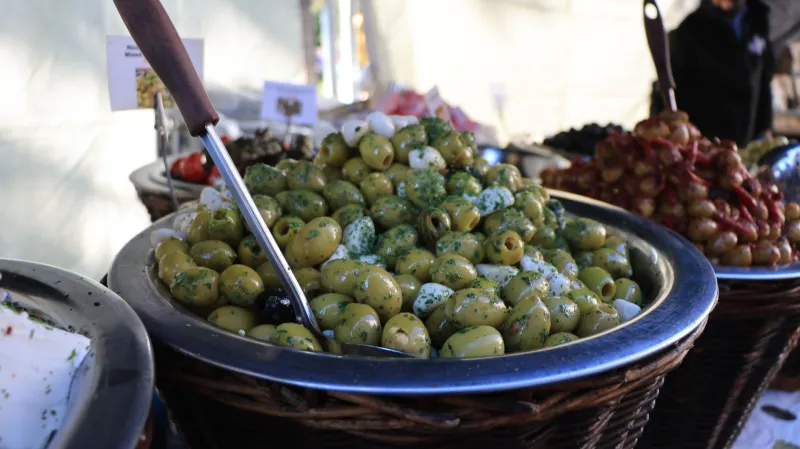
Return to Aix for Sunday. The market around Place Richelme is a good place to build a picnic: olives, tomatoes, cheese, saucisson and a bottle from one of the local cavistes. Aix is also a pleasant city for a final tasting at a wine shop before the journey home. Keep purchases until the end of the trip so you are not carrying bottles around all weekend.
If you have time, the Musée Granet or a slow walk along Cours Mirabeau makes a good counterpoint to the wine. Then take the shuttle bus back to Aix TGV or the train to Marseille for the return leg.
Tasting-room etiquette for British visitors
Book ahead, especially for estates rather than shops. Arrive on time, say bonjour when you enter, and do not wear perfume or aftershave — it interferes with the tasting. Use the spittoon if one is provided; nobody expects you to swallow every sample. Ask questions, but keep them friendly rather than forensic. If a tasting is free, buy a bottle. If it is paid, the fee is often deducted from a purchase.
English is widely spoken in tourist areas, but a few words of French go a long way. Learn merci, bonjour and une dégustation, s'il vous plaît. Do not treat the tasting room as a bar. It is a shop, a cellar and a place of work all at once.
Bringing bottles home
The UK personal allowance is 18 litres of still wine per adult, which is comfortably more than a weekend's worth of shopping. Pack bottles in wine sleeves or wrap them in clothes, and check your rail operator's luggage policy before you travel. Eurostar does not have the same liquid restrictions as airports, but you still need to be sensible about weight and breakages. Put bottles in the centre of a soft bag, not against the frame, and keep them upright if you can.
A simple car-free itinerary
| Day | Base | Plan |
|---|---|---|
| Friday | Aix-en-Provence | Arrive, walk the old town, early dinner and a glass of rosé |
| Saturday morning | Cassis | TER from Marseille, cooperative tasting, harbour lunch |
| Saturday afternoon | Bandol | Short train hop, Maison des Vins de Bandol, seafront walk |
| Sunday | Aix-en-Provence | Market picnic, final caviste visit, train home |
This is not a trip for completists. You will not see every famous estate, and you will not need to. The point is to travel slowly, taste well and let the trains do the work. Provence rewards that approach — especially when you are not the one driving.