Canvas, Corks and Cold Bins: Choosing Provençal Wine for a British Wedding
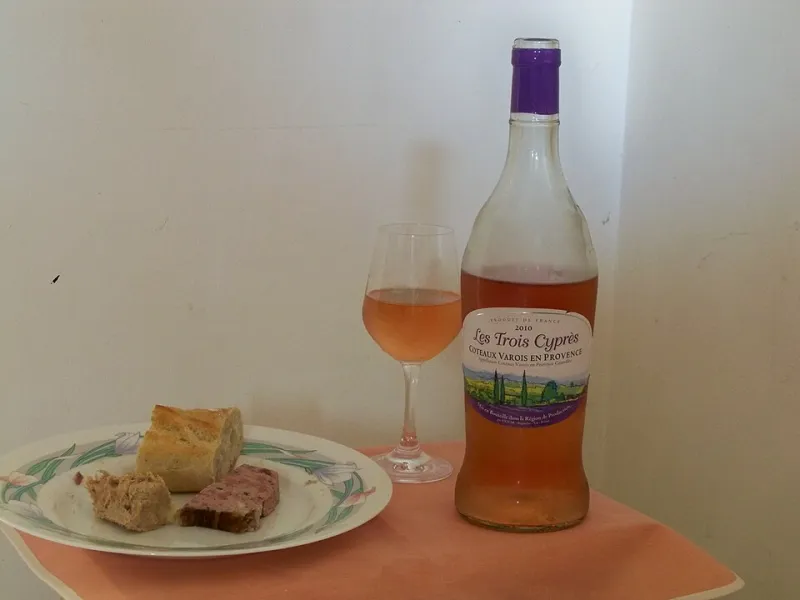
Photo: Marianne Casamance, CC BY-SA 3.0, via Wikimedia Commons
There is a particular moment, about six weeks before a marquee wedding, when someone opens a spreadsheet and asks the wine question. The answer is rarely a single bottle. It is a sequence: something cold and welcoming as guests arrive, something steady through dinner, something generous when the band starts and people stop being polite about the cheeseboard. Provence suits that sequence rather well, provided you buy with a plan rather than a mood board.
Start with the guest list, not the appellation
A British wedding crowd is a broad church. You will have the uncle who regards rosé as a slightly frivolous drink, the friend who only drinks white, the couple who are off alcohol entirely, and the cousin who will happily work through a case of red on his own. This is not a problem to solve with a single showstopper. It is a problem to solve with three or four dependable wines and enough of them.
Provence's advantage here is drinkability. The rosés are dry and pale, the whites are fresh rather than oaky, and the light reds slip down without demanding a lecture. Nothing on the table needs to be a statement. Everything needs to be good, cold and available.
The drinks reception: rosé first, questions later
If the ceremony ends at three and dinner is at five, those two hours are where wine disappears fastest. Allow two to three glasses per guest for the reception alone. For a hundred guests, that is roughly thirty-six to forty bottles of rosé, assuming most people say yes and a few say yes twice.
Buy a Côtes de Provence rosé you have actually tasted — a decent own-label from Waitrose or M&S, or a mixed case from a merchant who will let you try before committing. Keep it simple: pale, dry, a bit of red fruit, no sweetness. Magnums are excellent here. They look generous on a drinks table, they empty more slowly in warm air, and they save someone from opening thirty bottles in a field.
Through dinner: a white, a light red, and a second red for the brave
Dinner is where British marquee menus tend to go one of two ways: chicken or lamb, or a big sharing ploughman's. Either is friendly to Provence.
For white, look at Rolle and Clairette — the grapes behind most Provençal whites, often blended. They give you something between a unoaked Chardonnay and a dry Chenin: textural, slightly herbal, good with chicken and excellent with anything involving goat's cheese. Cassis Blanc, if you can find it, is the richer, more serious option.
For red, resist the urge to buy the biggest Bandol on the shelf for the main course. Young Bandol can be tannic and brooding, and it will sulk next to a plate of chicken. Choose a Côtes de Provence rouge — Grenache and Syrah, soft and peppery — or a Bandol with a few years on it if your budget stretches. Then keep a couple of richer reds back for the evening, when the cheese comes out and the temperature drops.
A sensible split for a summer wedding is roughly half rosé, a quarter white, a quarter red. If your guests are a red-wine crowd, nudge it. If they are a gin crowd, buy less of everything.
Corkage: the conversation to have in March, not June
Most caterers charge corkage, typically somewhere between eight and fifteen pounds a bottle, sometimes more. Some waive it if you buy wine through them. Ask early, get it in writing, and check three things: whether they will chill your wine, whether they will serve it, and what happens to unopened bottles at the end of the night.
The maths usually works in your favour if you are buying decent wine at retail and paying modest corkage. It stops working if the fee is high and the caterer insists on pouring the wine themselves at a speed that suggests they are being paid by the hour. Be nice about it. Caterers have seen every possible wedding wine disaster, including the groom who tried to chill forty bottles in a paddling pool.
The cold problem
A marquee in July is not a cellar. Your rosé will warm up in twenty minutes if it is left on a table in the sun. Hire a proper fridge if you can, or use several large bins filled with ice and water — water conducts cold far better than ice alone. Keep bottles in the shade, rotate them, and do not over-chill. Provence rosé is at its best around eight to ten degrees; white a touch warmer, light red at fourteen to sixteen. If the red is served colder than the white, someone has made a mistake.
The late-night table
By eleven, the beer is gone, the band is playing something with a saxophone, and people want bacon rolls, chips or a slab of something from the cheese table. This is when a slightly richer red earns its place: a Bandol with a bit of age, or a Côtes de Provence rouge from a warm vintage. Keep four or five bottles aside so you are not scrabbling under a trestle table at midnight.
The bottle you keep back
Every wedding wine plan should include one bottle that never reaches the guests. A magnum of Bandol, a special cuvée rosé, something with a bit of meaning. Give it to the couple at the end of the night, or keep it for their first anniversary, or open it the next morning with leftover cake and a very strong coffee. It is a small ritual, but it turns a catering decision into a memory.
A rough plan for a hundred guests
- Drinks reception: 36–40 bottles of Provence rosé, plus two magnums.
- Dinner: 24 bottles of white, 24 bottles of light red, 12 bottles of rosé for the table.
- Late night: 6 bottles of richer red, chilled water, and something sparkling if the speeches run long.
- Kept back: one magnum, unopened, for the couple.
None of this needs to be perfect. British weddings are held together by good humour, sensible shoes and a contingency plan for rain. A cold bottle of Provençal rosé in a field, handed to someone who has just watched two people get married, is a small and reliable pleasure. Buy enough of it, keep it cold, and let the day do the rest.