Crystal, Tumbler, Jam Jar: A Sensible Glassware Guide for Provence Wine
There is a particular moment in many British kitchens when someone reaches for a jam jar, pours in a pale pink Provençal rosé, and another person in the room raises an eyebrow. The jam jar has become a small symbol of wine anxiety: proof, apparently, that you are not taking the bottle seriously. But glassware is a tool, not a test. A decent glass can make a Provençal wine taste fresher, more aromatic and more like itself. A bad one can flatten it. A jam jar is rarely ideal, but it is not a crime.
First, what a glass actually does
A wine glass is not a status object. It is a delivery system. The bowl gives the wine room to breathe and collects aromas; the rim directs the wine towards your mouth; the stem keeps your hand away from the bowl so the wine stays at the temperature you intended. That is broadly it. Everything else — cut, brand, the reassuring weight of lead crystal, the thinness of the rim — is detail.
With Provençal wines, those basics matter in a particular way. Rosé from Provence is often delicate, with red fruit, citrus, herbs and a saline edge. Rolle, the white grape also known as Vermentino, can be textured but fresh, with blossom and a faint bitterness. The light reds — Grenache, Cinsault, Syrah, and the more serious Mourvèdre-based wines of Bandol — need a little air but not a lecture. None of these wines need an enormous glass. They need a clean one with a sensible bowl.
The case for one good all-purpose glass
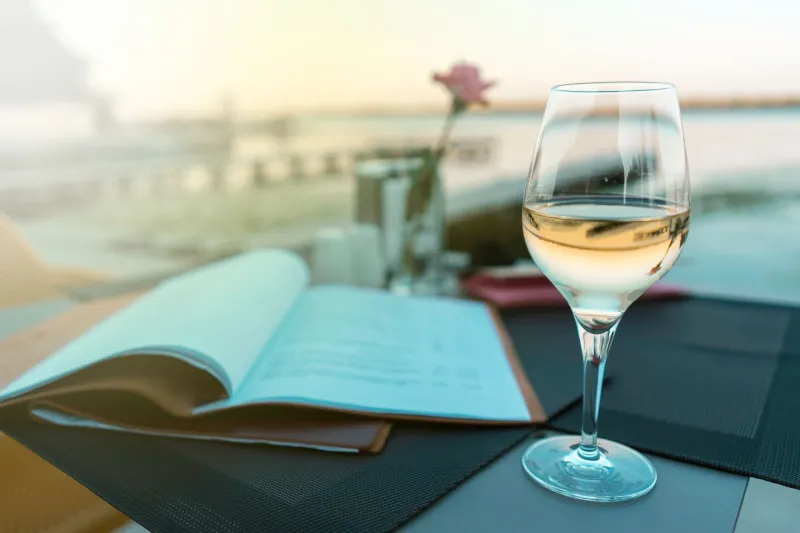
If you buy only one shape for Provençal wine, make it a medium-sized tulip or all-purpose wine glass. Not a tiny Paris goblet, not a vast Burgundy balloon, and not a flute. A bowl roughly the size of your fist, tapering gently towards the rim, will handle rosé, Rolle and most light reds without fuss. It gives aromas somewhere to gather, it leaves room to swirl, and it does not make a modest wine look lost.
For a British kitchen, this is the practical answer. Six all-purpose glasses will cover a Sunday lunch, a few friends on a Friday and the odd bottle opened on a Wednesday because the week has been long. They can go in the dishwasher if the manufacturer says so. They stack in a cupboard without a ceremony. They are the wine equivalent of a good saucepan: unglamorous, useful, and used far more often than the copper pan at the back.
Rosé does not need a flute
This is worth saying plainly: a flute is a difficult glass for Provençal rosé. The narrow bowl traps the wine in a tight column, limits the aromas and sends the first sip straight at the middle of your tongue. Rosé is not champagne, and even champagne is increasingly served in wider glasses. Use a tulip-shaped glass or your all-purpose glass and the wine will seem more open, more fragrant and less like a pink liquid trying to escape.
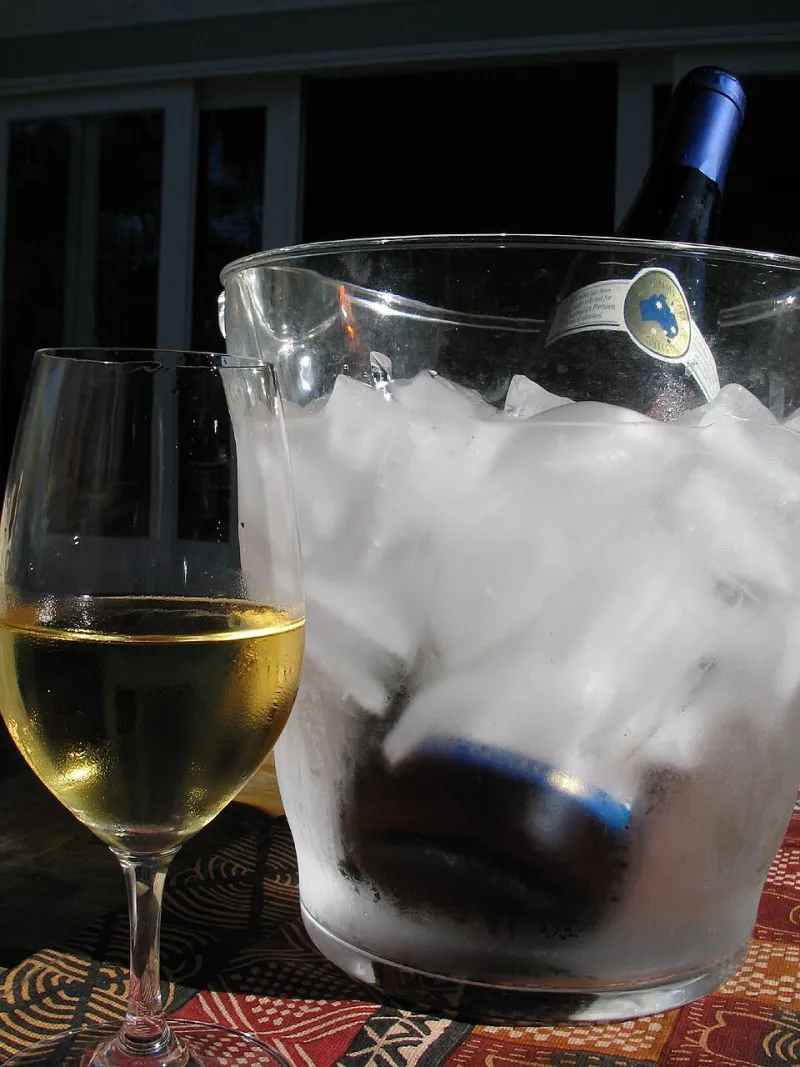
A stemless glass is fine if that is what you have. It is comfortable, less likely to be knocked over and fits neatly into a crowded kitchen. The only real drawback is that your hand warms the bowl. In a British kitchen in November, that is not always a disaster. In July, with a chilled rosé on the garden table, it matters more. If you are choosing, stems are still the safer bet for wine you care about.
Rolle, Clairette and the white question
Provençal whites are often served too cold and in glasses that are too small. A tiny copita or a sherry schooner will make Rolle seem sharp and mute. A normal wine glass, slightly smaller than your red glass, is ideal. The wine should be cool but not icy — somewhere around fridge-door temperature, then given five minutes on the counter to wake up. In a good glass, Rolle’s blossom and citrus notes come forward, and that faint savoury bitterness feels like a feature rather than a fault.
You do not need a separate white wine glass for every grape. If your all-purpose glass is on the generous side, pour a little less. The empty space does the work.
Light reds, Bandol and a bit of room
Provençal reds are not usually blockbusters, but they are not simple either. A young Cinsault-heavy red can be juicy and herbal; a Bandol Mourvèdre can be deep, savoury and structured. Both benefit from a bowl with a bit of width. If you already own a red wine glass that is not absurdly large, use it. If you own only one shape, the all-purpose glass will do. Open the bottle early, pour a glass, and let it sit while you finish cooking.
What you do not need is a glass so large that a modest Provençal red disappears into it. A huge bowl can make a light wine seem thin. The glass should fit the wine, not intimidate it.
The jam jar, fairly assessed
Let us be fair to the jam jar. It is clean, cheap, unbreakable and carries a certain picnic honesty. At an outdoor table, with a bottle of everyday rosé and a plate of tomatoes, it is fine. The problems are practical: the narrow neck can make the wine smell of last month’s marmalade if the lid has been on tight, the straight sides do not collect aromas, and there is no stem. But if the jar is spotless and the company is good, the wine will still taste like wine.
What the jam jar cannot do is flatter a special bottle. If you have spent real money on a Bandol rouge or a carefully made Provençal white, give it a proper glass. Not because the wine is judging you, but because you will get more of what you paid for.
What to buy in 2026 without spending silly money
A sensible plan for a British kitchen is six all-purpose glasses, two slightly smarter glasses for occasions, and a willingness to use whatever else is clean. You do not need to spend a fortune. Mid-priced glasses from a reputable brand are often better than decorative crystal that has been sitting in a cupboard since a wedding in the 1990s. Charity shops are full of perfectly good wine glasses; check for chips, cloudiness and a smell of old cupboard. Wash them well and they will do.
If you are buying new, look for a thin rim, a bowl that tapers slightly inwards, and a stem that feels comfortable in your hand. Avoid painted decoration around the rim. Avoid anything that cannot go in the dishwasher if you know you will not hand-wash it. And do not buy a set of twelve unless you genuinely have space for twelve.
Borrow the crystal, skip the rules
The dusty wedding-present crystal can come out for Christmas or a birthday. It does not need to match. It does not need to be the 'correct' shape. A clean water glass is better than a dirty wine glass. A tumbler is acceptable for a casual glass of Provençal rosé on a Tuesday. What you can stop worrying about is the idea that there is one authorised glass for every wine, and that using the wrong one ruins the bottle.
Provence wine is generous, food-friendly and made to be drunk, not worshipped. The best glass is the one that is clean, within reach and makes the wine taste good. If that happens to be a jam jar on a sunny afternoon, so be it. Just make sure it is a clean one.