Your Fridge Is Too Cold: Rethinking Provençal Serving Temperatures in a British Kitchen
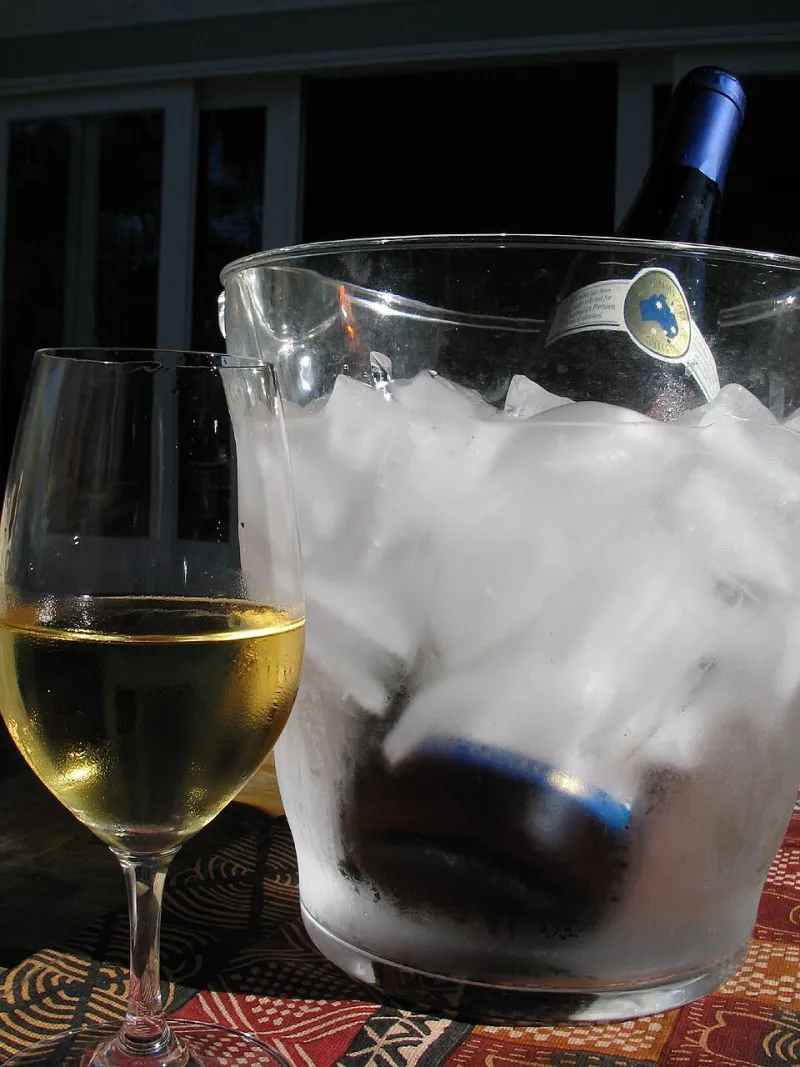
Photo: lil'bear, CC BY 2.0, via Wikimedia Commons
Nobody in Britain sets out to ruin a bottle of Provençal rosé. We simply do what we've always done: buy it cold, keep it cold, and pour it colder still, as though the wine were a lager shandy on an August bank holiday. Then we wonder why the glass in front of us tastes of almost nothing.
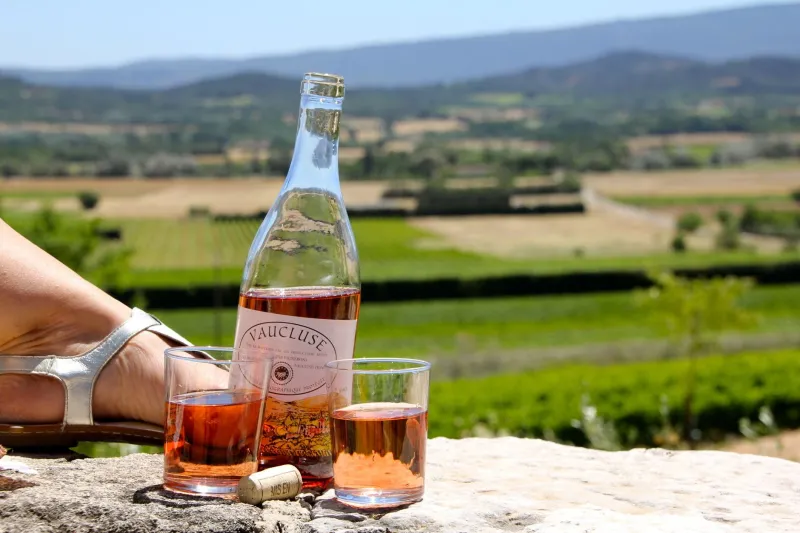
This isn't a snob's complaint. Provence's best wines are built on restraint — pale, herbal, saline, quietly perfumed — and cold is the enemy of all three. Chill a Côtes de Provence down to 4°C and you have effectively put a hand over its mouth. The peach, the wild fennel, the faint dust of garrigue: all of it goes quiet. What's left is acidity, a whisper of strawberry, and a vague sense that you paid £14 for a glass of pink water.
So here is the case for a gentler touch, and a few ways to achieve it without buying a wine fridge or, heaven forbid, a thermometer you'll lose behind the utensil pot.
Your fridge is colder than you think
A modern British fridge sits at about 4°C, sometimes 3°C in a busy week when the door's been open all afternoon. That is a fine temperature for milk and a terrible one for wine. The old advice — "serve white and rosé well chilled" — was written for a generation of heavier, sweeter wines that needed the cold to stay drinkable. Provence's modern wines don't. They're leaner, drier and more aromatic, and they repay a bit of warmth with interest.
The three-temperature toolkit
You don't need equipment. You need three places in your kitchen and a rough sense of what each one does.
- The fridge (3–5°C). A holding bay, not a serving temperature.
- The kitchen counter (18–21°C in a typical British home, warmer in a July heatwave). The gentle warm-up.
- A bowl of tap water (roughly 8–16°C, depending on season and your mains). The fast lane, and the most underrated trick in home wine service.
Water conducts heat about twenty-five times better than air, which is why a bottle left in a bowl reaches its target in minutes rather than half an hour. In winter, cold tap water will lift a 4°C bottle to a workable 9°C in six or seven minutes. In summer, when the cold tap runs at 16°C, drop in three or four ice cubes, give it a stir, and check after four minutes.
The twenty-minute rule
For most everyday Provençal rosé, take the bottle out of the fridge twenty minutes before you pour. That puts a 4°C bottle at roughly 9–10°C — the sweet spot where the fruit comes back without the alcohol turning soupy. In a hurry, the bowl does it in seven minutes. If you forget entirely, pour the first glass and hold it in your hands for two minutes; your palms are warmer than you think.
Rolle: the white that wants a cardigan
Rolle — known in Italy as Vermentino — is Provence's signature white grape, and it's the one most often served too cold. At 4–6°C it's all citrus pith and wet stone, which is pleasant enough but only half the story. Bring it to 10–12°C and you get white peach, a lick of salinity, the faint almond note that makes Rolle such a good match for shellfish and grilled fish. Take the bottle out of the fridge thirty minutes ahead in summer, twenty in winter, or give it five minutes in the bowl.
Rolle also benefits from a decent glass — a tulip-shaped white wine glass rather than a narrow flute. More surface area, more aroma, and less chance of the wine warming too fast in the hand.
Clairette: the quiet one
Clairette is the softer, more floral side of Provençal white — honeysuckle, a little pear, sometimes a hint of fennel — and it's delicate enough that over-chilling flattens it entirely. Aim for 9–11°C. Straight from the fridge it will taste of almost nothing; twenty-five minutes on the counter and it opens into something genuinely pretty. Clairette is also the backbone of many Cassis and Bandol whites, where it's usually blended with Marsanne, Ugni Blanc or Rolle, so the same rule applies. Serve it with a plate of oysters, a bowl of prawns, or nothing at all.
Young Bandol red: not a winter warmer
Here's where British drinkers get it wrong in the other direction. Bandol rouge — Mourvèdre-dominant, structured, sometimes a bit closed in its youth — gets pulled out in November and served at whatever the radiator happens to be doing. That's a mistake. A young Bandol at 20°C tastes hot and tannic; the alcohol dominates and the garrigue-and-blackberry character gets lost.
Serve young Bandol at 14–16°C, which in a British kitchen means: bring it up from the garage or the coolest cupboard, open it, and give it thirty to forty-five minutes in the glass or a decanter before you pour. A quick ten minutes in a bowl of cool tap water (not cold — you don't want to knock it back down) will do the job if the room is warm. Older Bandol, ten years and up, can take 16–17°C quite happily and often prefers it.
The broader principle: light reds want cool, tannic reds want less cool, and nothing wants a radiator.
The everyday rosé zone
For the £8–£15 Côtes de Provence rosé that most of us actually drink on a Tuesday, aim for 7–9°C. That's cold enough to feel refreshing, warm enough to taste of something. A bottle from a 4°C fridge needs about fifteen minutes on the counter, or five in the tap-water bowl. If you're serving outdoors in June, expect the glass to warm by two or three degrees in ten minutes, so start a touch colder than you think you need.
A few bottles to try
You don't need to spend much to test any of this.
- Waitrose Côtes de Provence Rosé (around £9). Pale, dry, faintly herbal — a perfect candidate for the twenty-minute rule.
- M&S Collection Côtes de Provence Rosé (around £11). A bit more texture; try it at 9°C and then at 12°C and see which you prefer.
- Château de Berne Rosé (Majestic, around £14). Rounder style; benefits from the warmer end of the rosé zone.
- Domaine du Gros'Noré Blanc, Bandol (Berry Bros. & Rudd, around £30). Rolle-led, saline, superb at 11°C.
- Clos Sainte Magdeleine Cassis Blanc (The Wine Society, around £28). Clairette and friends; give it twenty-five minutes out of the fridge.
- Domaine Tempier Bandol Rouge (Berry Bros. & Rudd, around £45). Young bottles want 15°C and an hour of air.
One last thing
Temperature is not a rule, it's a dial. If you like your rosé properly cold on a hot day, drink it cold — the point is to know what you're trading away. But try one bottle this week at 9°C instead of 4°C, and see whether the wine has more to say. In our experience, it usually does.