Glut Control: Provençal Wines for an Overproductive Allotment

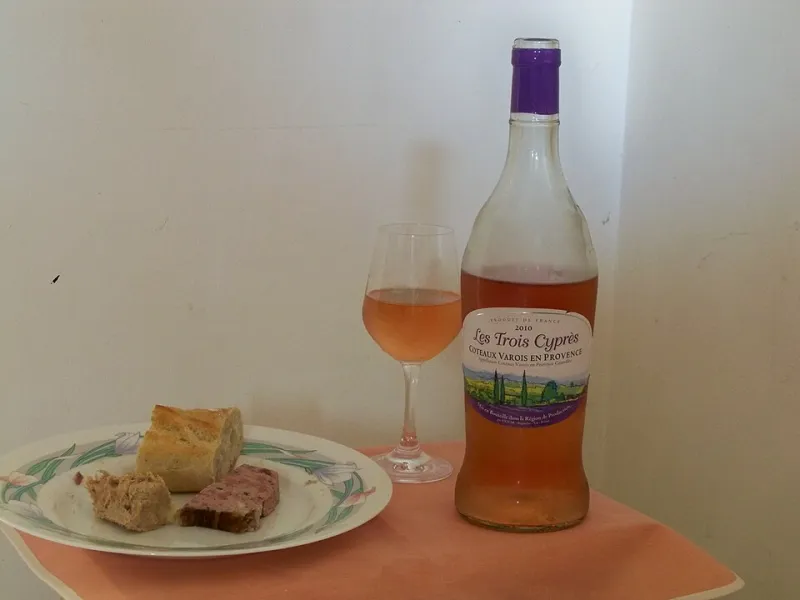
Photo: N Chadwick , CC BY-SA 2.0, via Wikimedia Commons
By the middle of November 2026, the allotment has usually stopped shouting. The courgettes have slowed to a trickle, the runner beans are in the freezer, and the last tomatoes are ripening on a windowsill in a defiant shade of green. But the glut has a long tail: chutney bubbling on the hob, beetroot still coming up in armfuls, and a drawer full of beans you will be eating until March. This is not a problem to solve with one bottle. It is a problem to solve with a small, sensible rotation of Provençal wine—and a bit of forward planning.
The Glut Is Not a Crisis — It's a Menu
A glut is really an invitation to eat differently for a fortnight: griddled courgettes with lemon and mint, a huge tomato salad, a bean salad with mustard and shallots, roasted beetroot with yoghurt. None of these dishes needs an expensive bottle. They need a bottle with freshness, a bit of texture, and enough acidity to cut through olive oil and garden sweetness. Provençal rosé, white and light red do that job without fuss.
The other thing a glut demands is flexibility. You may start with a bowl of courgette fritters and end with chutney and cheese. So keep two bottles open, not one: something pale and dry, and something light and red. A half-bottle of each is even better.
Courgettes: The Never-Ending Supply
Courgettes are the allotment's most generous mistake. One week you have none; the next you are leaving them on neighbours' doorsteps. The best treatment is high heat and a sharp dressing: griddled slices, lemon, mint, a little chilli, good olive oil. With that, open a pale, dry Provençal rosé—Côtes de Provence or Coteaux d'Aix—with red-berry fruit and a saline edge. Avoid anything too soft or sweet; the courgette needs the wine's acidity.
If you have made a courgette and goat's cheese tart, a Rolle-led white is a better fit. Rolle (Vermentino in Italy) gives citrus, white flowers and a faintly bitter finish that loves green vegetables. Serve it properly cold, but not icy.
Tomatoes: Acidity Needs a Friend
A ripe tomato is acidic, sweet and savoury all at once. A light red, served cool, is the classic answer—something from Coteaux Varois or a young Bandol with enough fruit to handle the sweetness but not so much tannin that it fights the acidity. Chill it for twenty minutes in the fridge, then open it. If the tomatoes are going into a long-roasted tray with garlic and thyme, the same wine works, but let it warm up in the glass.
For a pure tomato salad, rosé is simpler and better. The wine's redcurrant and peach notes flatter the fruit, and the dry finish clears the palate. If you have green tomatoes, fry them in a light batter or make a sharp chutney; the rosé can handle both, provided it is dry.
Runner Beans and the Freezer Drawer
Runner beans are the allotment's test of character. Eaten fresh with butter and pepper, they are sweet and grassy. Frozen and reheated, they are softer and more savoury. Either way, a light red is a good companion—especially a Cinsault-dominant red from Coteaux d'Aix or a young Provençal red with carbonic freshness. Serve it cool, around 14°C, and it will taste like a bowl of red fruit rather than a tannic mouthful.
If you are making a bean salad with mustard, shallots and a little bacon or chorizo, the same wine holds up. The salt and smoke in the meat need fruit, not oak. Keep the bottle simple.
Beetroot: Earth, Sweetness and a Chill
Beetroot is the quiet star of the late harvest. Roasted whole in foil, peeled and dressed with vinegar, it is sweet and earthy. A white with texture—Clairette or a Clairette-led blend—works better than a crisp, neutral white. Look for notes of pear, fennel and a faint saline finish. If you are having beetroot with goat's cheese, that white is ideal. If you are having beetroot in a risotto with Parmesan, a light red is better; the wine's acidity cuts the richness.
Pickled beetroot is a different matter. Its vinegar is sharp, so avoid tannic reds. A dry rosé or a white with a little more body will keep the plate balanced.
The Chutney Problem
Every allotment produces chutney, whether you planned it or not. Chutney is sweet, spiced and vinegar-sharp, and it is not really a course. It is a condiment, best paired with cheese, cold meat or a sandwich. So do not try to match a wine to chutney alone. Match the wine to what the chutney is sitting on.
With mature Cheddar or Stilton, an off-dry white or a rosé with a bit of weight works well. With cold ham or leftover roast lamb, a light red is better. And if you are simply eating chutney from a spoon while standing at the kitchen counter—something that happens in November—a dry rosé is the most forgiving option.
A Muddy Afternoon at the Plot
There is a particular pleasure in drinking something decent after an afternoon of digging, even if the cup is plastic and the bench is damp. For the plot, pack a half-bottle of rosé or light red, a screwcap if possible, and a tumbler. Avoid delicate whites and anything that needs a decanter. A light red served cool is the most practical choice: it copes with cold hands, muddy boots and a slab of cheese.
If you are sharing with plot neighbours, a box of rosé is not a crime. It stays fresh for a few days and pours easily into whatever glasses are available. The point is not ceremony; it is the pause.
Make-Ahead Moves
The glut is easier if you cook in batches and keep a bottle open for the week. Roast a tray of tomatoes with garlic and thyme; keep them in the fridge for pasta, toast and soup. Griddle courgettes and dress them while warm. Cook a pot of runner beans and refresh them under cold water. Then choose a bottle that will last two or three days: a sturdy rosé, a Rolle white, or a light red with a screwcap.
Leftover wine is fine for cooking, but do not cook with the good stuff unless you are going to drink it too. The best rule for the allotment table is simple: open something you actually like, and let the vegetables do the rest.
The Bottles to Keep by the Door
For the harvest glut, a useful trio is: a pale, dry Côtes de Provence rosé; a Rolle or Clairette white from Cassis or Coteaux d'Aix; and a light, chillable red from Coteaux Varois or Coteaux d'Aix. If you want one bottle that covers the whole table, choose the rosé. If you want one bottle that feels like a proper autumn evening, choose the light red.
Provençal wine does not need to be complicated to be good. It just needs to be fresh, dry and served at the right temperature. The glut will pass. The habit of opening something decent with a plate of garden vegetables is worth keeping.