The Tuesday Ragù: Provençal Reds That Earn Their Place Beside Spag Bol

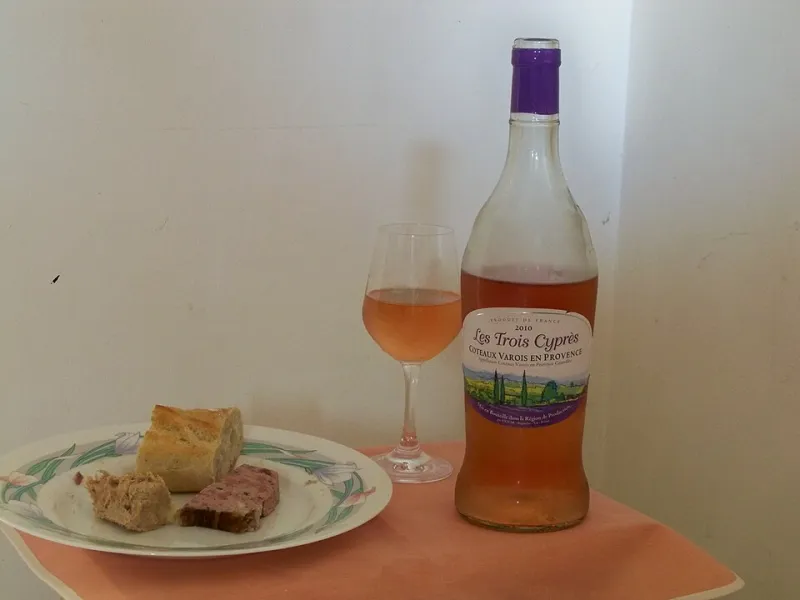
Photo: Provencal red wine bottle with spaghetti bolognese on a rustic British kitchen table, via i2.wp.com
There is a certain kind of British Tuesday when the only sensible dinner is spag bol. Not a slow-simmered Italian ragù with three meats and a soffritto measured in hours, but the weeknight version: mince, tinned tomatoes, tomato purée, a stock cube, dried oregano, maybe a dash of Worcestershire sauce, and a wooden spoon doing the heavy lifting. It is generous, unfussy food, and it deserves a wine with the same outlook.
Provence is not the first region most of us reach for when the sauce is tomato-heavy. The region’s fame rests on pale rosé, after all. But its reds — Grenache, Cinsault, Syrah and Mourvèdre, often with a savoury, herby edge — have exactly the sort of fresh acidity and gentle grip that a rich ragù needs. The best match is not the biggest or most expensive bottle. It is the one that keeps the plate lively and the cook relaxed.
Why tomato and mince ask for acidity, not just weight
A ragù is rich in two senses. The mince brings fat, and the tomatoes bring sweetness and acidity. A wine that is all jammy fruit and new oak will make the sauce taste sweeter and heavier than it is. A wine with no structure at all will vanish under the tomato. What you want is something in the middle: enough acidity to cut through the fat, a little tannin to grip the meat, and a savoury edge that echoes the dried herbs in the pot. Provençal reds are built for that middle ground. They are rarely blockbusters, and that is the point.
The easy-going end: Côtes de Provence rouge
For a standard Tuesday spag bol, start here. Côtes de Provence rouge is often led by Grenache and Cinsault, with Syrah adding a little colour and pepper. The best examples are medium-bodied, red-fruited and herbal, with a freshness that keeps you coming back for another glass. Expect to pay £9–£15 in a UK supermarket or independent shop. Look for bottles with a little concentration but no obvious oak. Serve them cool — around 14–16°C. If your kitchen is warm, fifteen minutes in the fridge before dinner is not a crime; it is good practice. This is the bottle for a pork-and-beef mince sauce, a turkey mince version, or a lentil ragù with mushrooms. It will not shout over the parmesan, and it will not cost more than the rest of the meal.
The useful middle: Coteaux Varois and Coteaux d’Aix
When the ragù has more beef, a splash of red wine, a few dried porcini or a longer simmer, step up to a red from Coteaux Varois en Provence or Coteaux d’Aix-en-Provence. These appellations often give a little more structure and depth, with Syrah and Mourvèdre playing a bigger part. Prices tend to sit around £12–£18, which still feels reasonable for a bottle that can handle a properly savoury sauce. Serve at 16–17°C — cool room temperature, not hob-side warmth. Open the bottle while the pasta water comes to the boil and leave it unstoppered. That is enough air for most of these wines. They are also good with the leftovers the next day, when the sauce has had time to settle.
Bandol: when the ragù has earned it
Bandol rouge is the serious end of this conversation. It is mostly Mourvèdre, and it brings dark fruit, black olive, leather, earth and a firm tannic grip. With a beef ragù that has been cooked slowly and seasoned properly, it can be wonderful: the wine has the weight and savoury depth to meet the meat, and the acidity to keep the tomato in check. But Bandol is not a cheap Tuesday default. Most good bottles start around £20 and climb quickly. Young Bandol can also feel stern and closed. As of 2026, a 2019 or 2020 should be approachable, while a 2021 or 2022 may benefit from thirty minutes in a jug or a good hour in the glass. If you are opening a bottle simply because you have one, make the ragù worth it: brown the mince properly, add a little tomato purée and a bay leaf, and let it simmer longer than you think. Save the Bandol for that night, not for a rushed sauce on autopilot.
What to leave in the cupboard
Not every Provençal bottle belongs beside spag bol. A delicate pale rosé is a lovely drink, but it can struggle against a thick tomato sauce; keep it for aperitif duty. Very oaky reds, whether from Provence or elsewhere, tend to make the sauce taste sweet and the finish dry. Very high-alcohol reds can overwhelm the food, especially if you have added chilli. And a young, tannic Bandol opened without enough air or enough beef will simply feel hard. If the bottle is expensive and the sauce is from a jar, drink something simpler and save the good stuff for a Sunday.
A no-ceremony Tuesday service
You do not need a decanter, a special glass or a lecture about terroir. Open the bottle before you start chopping onions. Pour a small glass for the cook. Keep the bottle away from the hob. Serve the wine at cool room temperature, which in a British kitchen in November usually means a spell by the back door or fifteen minutes in the fridge. Use your everyday glasses. Grate the parmesan at the table. Tear the garlic bread. If the sauce is veggie, lean towards Côtes de Provence; if it is beefy, look to Coteaux d’Aix or a Bandol with a few years on it. And if the wine is still a little tight, add a splash to the ragù and give the rest ten minutes. That is not a waste; it is cook’s privilege.
Three bottle shapes to look for
If you are shopping in the UK, think in styles rather than brands. First, a bright, medium-bodied Côtes de Provence rouge under £15 for the everyday pot. Second, a Coteaux Varois or Coteaux d’Aix red in the mid-teens for a beefier sauce. Third, one Bandol rouge from a good independent merchant for the night you want to make a fuss without actually making a fuss. Names such as Domaine Tempier, Château Pradeaux and Domaine de la Bégude are useful reference points, but the style matters more than the label. Ask for a red Bandol, not the rosé, and mention that you are pairing it with a rich meat sauce. A good merchant will know what you mean.
The last glass and the next day
Spag bol is often better the next day, and so is the wine. Re-cork the red, put it in the fridge and bring it back to cool room temperature before drinking. It will be fine with the leftovers, maybe even more generous than it was on Tuesday. The real lesson is simple: Provençal reds are not just for summer lunches and smart restaurants. They are useful, food-friendly wines for the British kitchen, and a rich ragù is one of the best places to find that out. Bandol can wait for the weekend. On a Tuesday, a good Côtes de Provence rouge will do very nicely indeed.