The First Pour of 2026: A British Buyer’s Guide to Provence’s New Vintage
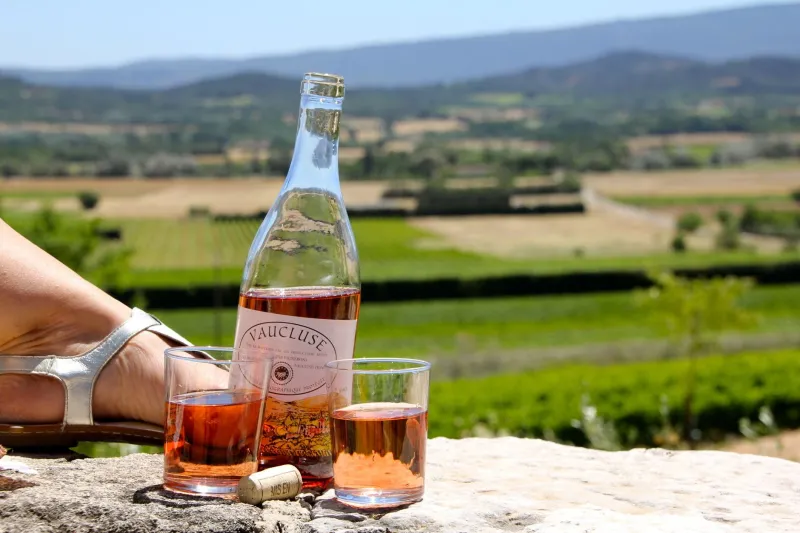
By the time the last bins are tipped and the tasting rooms have stopped smelling of grape must, Provence has already begun to move on. The 2026 harvest is behind us, and the first bottles are starting to appear on British shelves: pale rosés with a little bottle-shock still clinging to them, whites that taste of cold stone and citrus peel, and reds that are not yet sure how much of themselves they want to show. This is the moment to pay attention without turning the whole thing into a scorecard.
What the Season Suggests
Every vintage tells a story in the glass, but the useful question for a UK drinker is simpler: what does this mean for the bottle I am about to buy? The 2026 growing season in Provence was one of those years that asked questions early and answered them late. Growers I have spoken to describe a spring that kept them guessing, a summer that demanded attention in the vines, and a harvest that rewarded patience. The result is not a single, uniform style. It is a vintage of contrasts, which is exactly why it is worth reading before you fill a case.
For rosé, the early signal is freshness. Many 2026s are pale, precise and lifted, with less of the creamy generosity that marked the warmer years and more of the chiselled, saline character that makes Provençal pink so useful at the table. For whites, Rolle and Clairette have come through with good acidity and a clean line of flavour. For reds, the picture is more varied: some are charming already, while others have the structure to suggest they will be far more interesting in a year or two.
Drink That First
The first rule of a new vintage is not to treat every bottle the same. The 2026 rosés are arriving now and most are ready to drink. Look for the younger, paler styles from Côtes de Provence and Coteaux Varois en Provence, especially those bottled under screwcap or in the lighter glass formats that have become so common on UK shelves. Drink them through winter with grilled fish, roast chicken, or a plate of anchovies and bread, and then again next summer when the sun finally makes an appearance in the garden.
The whites deserve the same early attention. Cassis whites, with their brisk maritime edge, are particularly good now. So are the better Rolle-led blends from the Var. Do not cellar these on principle. They are not fragile, but they are not improved by being forgotten behind the Christmas bottles either. A cool cupboard, a fridge door, and a corkscrew are enough.
Tuck These Away
There is a temptation, when a new vintage lands, to either drink everything immediately or declare it too young and bury it. The truth is usually in between. The 2026 reds from Bandol are the obvious candidates for a little patience. Mourvèdre takes its time, and the best bottles will reward a year or two in a cool, dark corner of a British home. You do not need a cellar. You need consistency: a cupboard under the stairs, a garage that does not freeze, or a wine fridge set to a steady temperature.
Beyond Bandol, look at the reds of Palette and Coteaux d’Aix-en-Provence. Some will be approachable by spring 2027; others will be better in 2028. The useful buying strategy is to open one bottle now, make a note, and leave the rest alone if the tannins feel firm and the fruit is holding back. If the wine is already generous and open, drink it. The 2026 vintage does not demand a rulebook. It asks for a little common sense.
Appellations Worth Watching
Côtes de Provence is the obvious place to start, but the interesting stories in 2026 are often a little further from the supermarket spotlight. Cassis continues to make some of the most distinctive whites in the region: taut, herbal, and built for shellfish. Bandol is worth watching for both rosé and red, though the reds need more time than most UK shoppers are used to giving them. Coteaux Varois en Provence offers some of the best value for everyday drinking, and Pierrevert, though small, is worth seeking out from independent merchants.
The cooperative cellars also deserve a mention. In a vintage of contrasts, the best co-ops can blend across sites and varieties with real skill. They are not trying to make a grand vin. They are trying to make a useful, honest bottle, and in 2026 that is often exactly what a British kitchen needs.
Winter Kitchens and Next Summer’s Table
The practical question is not whether 2026 is a great vintage. It is what to put on the table now. For winter cooking, the whites and lighter reds are the most useful. A Rolle-led white with a roast chicken, a pale rosé with a fish pie, or a young Bandol with a slow-cooked lamb shoulder will all make sense. The reds that are too firm for a Tuesday night will be better with a weekend braise, where the fat and salt can soften the edges.
For next summer, buy a few bottles of the paler rosés now and put them away until the weather turns. They will not necessarily improve, but they will be ready when you are, and there is something quietly satisfying about opening a bottle you bought in November while the garden is still waking up.
A Practical Shelf Strategy
The 2026 vintage does not ask for a big financial commitment. It asks for a little curiosity. Buy a bottle of the new rosé from a producer you know. Buy a white from Cassis or Coteaux Varois. Buy one Bandol red to open now and one to leave alone. Then pay attention to what you taste, not what the vintage chart says. The best guide to Provence in 2026 is still a glass, a plate of something good, and a free evening.