Sea Air in a Glass: The Quiet Case for Tibouren

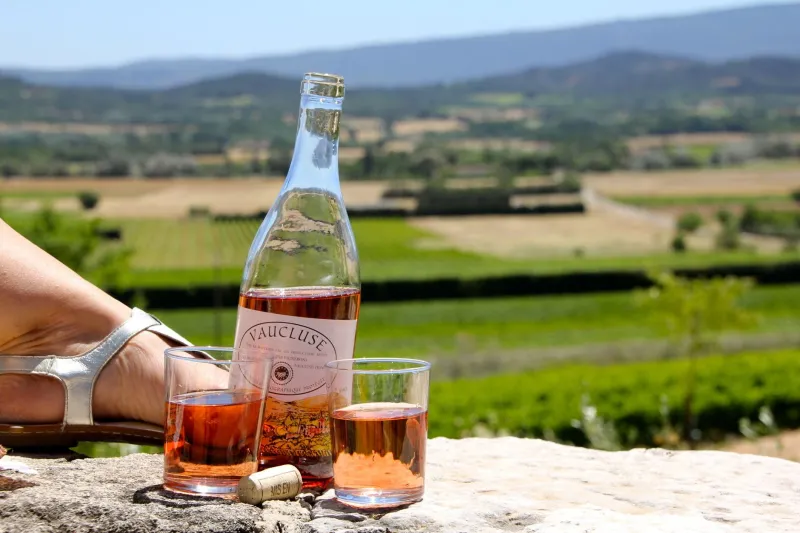
Photo: pale Provence rosé wine glass by sea with oysters and seafood, via www.rollingstone.de
Some grapes arrive with a fanfare. Tibouren slips in through the side door, carrying a bucket of oysters and a whiff of thyme. If you have ever opened a Provençal rosé that tasted less like fruit salad and more like a harbour wall at low tide — saline, herbal, quietly savoury — there is a fair chance Tibouren was doing some of the work. It is not a household name in Britain, and it is not much of a household name in Provence either. That is part of its charm, and part of the problem.
A grape that prefers the background
Tibouren is an old Provençal variety, thin-skinned and late-ripening, with a habit of giving pale wine, modest alcohol and a distinctly savoury edge. It is not a grape that builds blockbuster flavours. It seasons. A little Tibouren in a blend can add lift, a fine bitterness, a sense of chalk and sea spray. Too much, handled clumsily, and it can feel lean or herbal in a way that puzzles drinkers raised on riper, fruitier rosé.
For much of the modern rosé boom, that has been enough to keep it in the shadows. Provence’s most famous pink wines are sold on place, pale colour and a certain easy charm. Tibouren does not always fit the template. It can be pale, but it can also lean towards copper or amber depending on skin contact and ageing. It can be pretty, but it is rarely frothy. It tastes like a wine that has spent time near the coast, even when the vines are a few miles inland.
Where it fits: Côtes de Provence and Bandol
Tibouren turns up in small proportions in some Côtes de Provence rosés and reds, usually as a supporting player rather than the headline act. It also appears in a handful of Bandol rosés, where Mourvèdre brings structure and Tibouren brings a saline, herbal lift. You will rarely see it named on the front label. French wine labelling has never been especially interested in grape varieties; it prefers to talk about appellations, estates and traditions. For rosé, the label often sells a style rather than a recipe.
That is why a British drinker can buy Provence rosé for years without ever knowingly meeting Tibouren. The grape is there, perhaps, in the blend. It is just not invited to the front of the bottle. If you do see Tibouren named on a back label, treat it as a clue rather than a guarantee. It tells you the producer wants you to notice something. It does not tell you the whole story.
Why British shelves rarely name it
The UK wine market likes a clear story. Provence rosé has spent the last couple of decades building one: pale, dry, elegant, served chilled, preferably with a view. Tibouren complicates that story. It is a minor planting, often blended, rarely marketed as a single variety. It does not fit neatly into a supermarket tier or a restaurant by-the-glass list. It is the sort of grape that gets discovered by curious drinkers, independent merchants and sommeliers who like a good footnote.
There is also a practical reason. Tibouren is not planted in vast quantities. It is fussy about flowering and ripening, and it has never been the cash crop that Grenache, Cinsault or Mourvèdre can be. Provence’s rosé machine runs on volume and consistency. Tibouren is more of a small-batch enthusiasm. That makes it interesting, but it also makes it harder to find on a British high street.
The taste of sea air
A good Tibouren rosé is not a fruit cocktail. Think white peach, redcurrant, citrus peel and crushed fennel, with a saline thread running through the middle. On the palate it is dry, textural and gently bitter, like the rind of a grapefruit or a mouthful of sea air. It can have a herbal, almost garrigue-like note — rosemary, thyme, wild fennel — without tipping into potpourri. The best examples feel composed rather than showy. They make you reach for food.
That is the real argument for Tibouren. It is a wine that behaves like a seasoning. It does not overpower a plate; it sharpens it. It makes oysters taste brinier, crab taste sweeter and grilled fish taste cleaner. It is not a wine for a tasting competition. It is a wine for a table.
A short shopping guide for UK drinkers
Start with Clos Cibonne. The benchmark for Tibouren in Côtes de Provence, and a name worth asking for at an independent merchant. Their rosé is not the standard pale Provence template, but it is one of the most distinctive pink wines in France.
Read the back label. Look for Côtes de Provence rosé or red with Tibouren named among the varieties. Specialist importers and independent shops are more likely to stock these than supermarkets.
Try Bandol rosé. A Mourvèdre-led Bandol rosé with a splash of Tibouren can be firmer and more gastronomic than a typical Côtes de Provence pink. It is a good bridge for drinkers who find Provence rosé a little too easy.
Serve it properly. Take it out of the fridge fifteen minutes before pouring. Too cold and the saline, herbal detail disappears; around 10–12°C is a good place to start.
Expect to pay mid-teens to mid-thirties. Tibouren is not a bargain-bin grape, but it is not usually a trophy bottle either. The sweet spot is often the mid-twenties.
What to open with it
Oysters are the obvious match, and for once the obvious match is right. Native oysters, a squeeze of lemon, nothing else. Mussels marinière work beautifully, especially with a splash of the wine in the pot. Brown crab on toast is another good shout: the saline edge of the wine cuts through the richness without stripping it. Grilled mackerel, langoustines, prawn cocktail with a properly sharp sauce — all fair game.
For simple summer plates, think tomato salad with basil and good olive oil, anchovies on toast, or a cold roast chicken with aioli. Tibouren also handles a fish pie better than most rosé, because it has enough savoury grip to meet the sauce. It is not a wine that needs a special occasion. It needs a plate of something briny and a bit of sun, real or remembered.
Tibouren will never be the loudest bottle on the shelf. That is fine. Some of the best wines are the ones you have to look for. Open one with shellfish, take your time, and you will understand why Provence has kept this quiet grape around for so long.